
Key takeaways
Inflation is easing, but the RBA can’t relax yet. Headline inflation is falling, while trimmed-mean inflation remains stubbornly high.
Cost pressures are building in essential areas. Electricity, gas, fuel, rents and housing costs could keep inflation elevated.
Government policy is contributing to some price rises. Energy, tobacco, fuel and housing costs are being influenced by regulation, taxes and policy decisions.
Wages are failing to keep pace with living costs. Wage growth remains below inflation, meaning household purchasing power continues to be squeezed.
The RBA is likely to hold rates in August. A rate rise remains possible, but a cautious hold appears the more likely outcome.
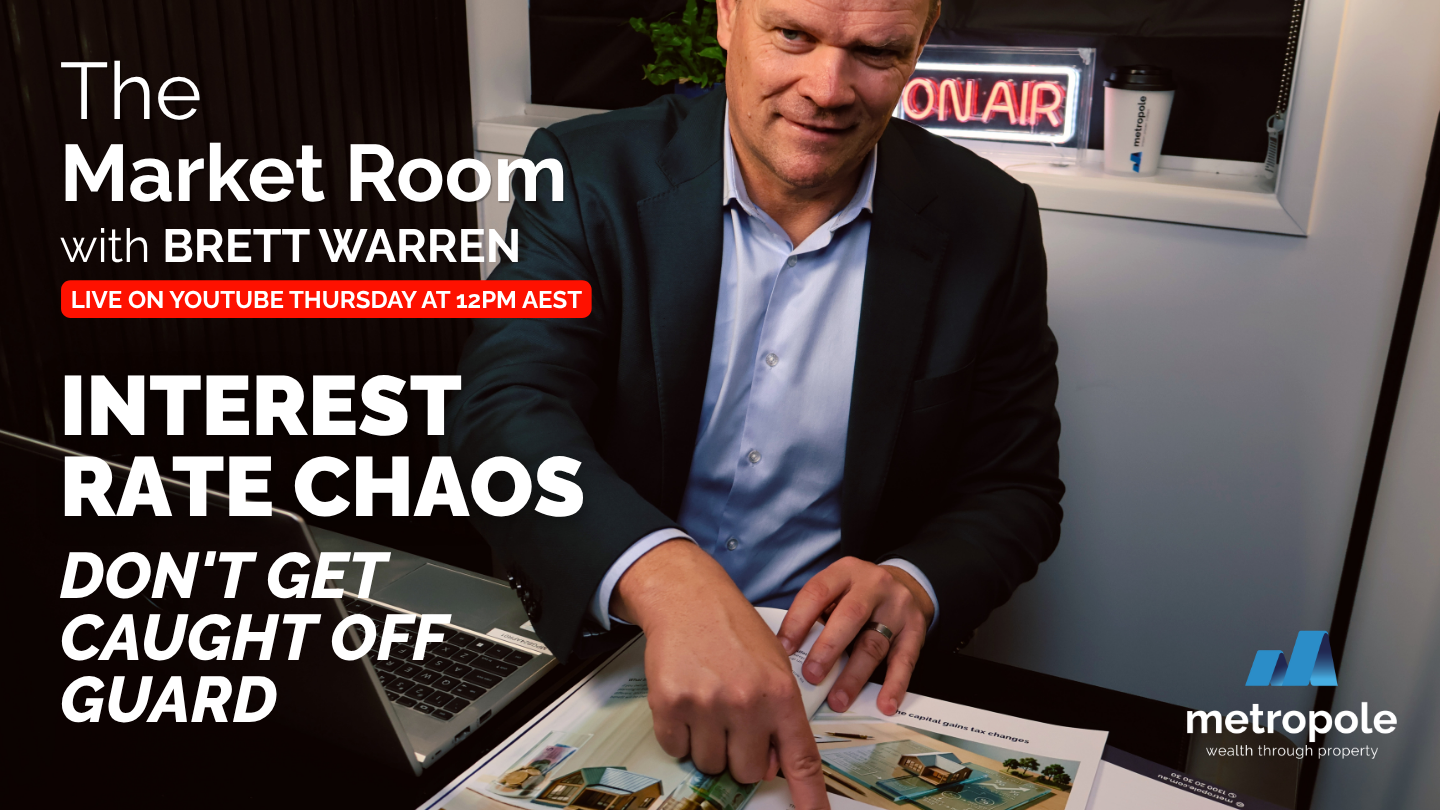
Have you been wondering what's ahead for interest rates, especially with the RBA meeting coming up next week?
There's been a lot of chatter lately from some high-profile commentators suggesting we're "off the hook" when it comes to inflation.
I don't think that's the case just yet, and when you look beyond the headline number, the picture is more mixed than the optimists are letting on.
Yes, headline inflation is trending downward, which is genuinely positive news, but the trimmed mean, the measure the Reserve Bank pays closest attention to because it strips out the most volatile price swings, is trending sideways.
We've now been outside the RBA's 2–3% target band for well over 12 months, which is a concern. Strictly by the letter of the law, that argues for a rate rise.
Whether the RBA actually pulls that lever is a different question, and depends on what else it's weighing up.

Where the real pressure is building
Breaking inflation down into its subsections reveals some genuinely alarming numbers:
- Electricity is up 21.6% over the year
- Gas is up 7.8%
- Tobacco is up 11.6%
These aren't market-driven price rises — they're largely the result of government intervention.
Electricity pricing is heavily influenced by government rebates, the closure of coal-fired power stations, and the push towards renewables, which may be too early.
Regardless of where you sit on that policy debate, a 21.6% annual increase is significant, and gas has moved in a similar direction.
Tobacco is a different story again: heavy regulation has fuelled a booming illegal tobacco market, and the official price index has risen by 11.6% as a result.
Fuel was down 6.6% over the past 12 months, but that figure is already outdated. The fuel excise, which had been halved, expired this week, and prices in Brisbane have jumped from around $2 to roughly $2.50 a litre almost overnight.
Expect that "down 6.6%" figure for fuel to reverse sharply in the next read.
Rent and housing costs are up 3–6%, again with heavy government involvement in that market. If the trend in the other rising categories is anything to go by, these numbers have further to climb.
Reading between the lines on Government messaging
Treasurer Jim Chalmers said during the week that we're "out of danger" regarding inflation.
Interestingly, he said something similar this time last year as well, and we all saw how that played out.
There's a pattern worth noting here: credit is taken when the numbers improve, but external factors (the war, global supply chains) are blamed when they don't.
- Also read:Migration Is Falling: What Happens to Australian Property Prices Now? | Property Insiders

- Also read:This week’s Australian Property Market Update – Latest Data, State by State September 22nd 2026

- Also read:Latest Property Price Forecasts. Australian Property Market Outlook 2026-2027: Navigating a Market Correction

- Also read:National Weekly Auction Report – September 19th 2026 | Clearance Rates Ease as Auctions Surge

- Also read:Adelaide housing market update | September 2026

My concern is that several pressure points are aligning at once: fuel prices are rising again, rents continue to climb (particularly in Sydney and the other capitals), and property prices are firming even as some segments soften.
Construction costs are likely to follow.
Recreation and holiday travel is also up 7.5%, likely reflecting the usual mid-year surge as people travel to Europe over the northern summer , so that category may ease back naturally, but it's another data point showing spending hasn't slowed as much as some suggest.
The jobs and wages paradox
Over the last few months, more jobs were being created, which is generally good news, but it also fuels inflation, which is exactly what the RBA and government are trying to avoid right now.
Last month alone, 15,000 jobs were created, nudging employment figures upward.
Official unemployment sits around 4.4%, though there's a reasonable argument that the Roy Morgan figures, closer to 11%, may be a more accurate read of underlying conditions.
Either way, these are the numbers the RBA is working with.
Wages tell an equally important story - since around 2024, wage insights data from both ABS and CBA have been trending downward.
Wages growth was 0.8% for the three months to June, with annual growth steady at 3.1%, though it varies state to state.
And this is the real reason many people don't feel like they're getting ahead, even with wages technically rising. That’s because wages grew 3.3% over the past 12 months, while CPI inflation rose 3.8%.
In other words, your income may be going up, but not by enough to keep pace with the cost of living, meaning your purchasing power is actually going backwards.
So what happens in August?
Weighing all of this up - sideways trimmed-mean inflation, a wave of government-driven price pressure building in electricity, gas, fuel and rent, alongside wages growth that's still lagging inflation - my view is that the RBA will hold rates steady at the August meeting, while flagging continued caution around these underlying pressures.
For what it's worth, I ran this same data through both ChatGPT and Claude to sanity-check my thinking, and both landed in a similar place: roughly a 30–35% chance of a rate rise in August.
That's consistent with a "hold, but watch closely" outcome rather than an all-clear one.
The headline numbers might look encouraging, but beneath them there's still plenty working against genuine, sustained cooling in inflation.
I wouldn't be popping the champagne just yet, Mr Chalmers.