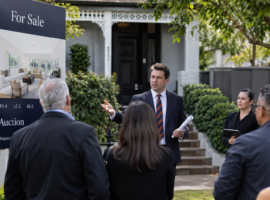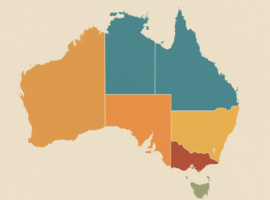


SQM Research’s Weekly Asking Prices Index for the week ending 23 February 2026 showed continued upward momentum in dwelling prices nationally, signalling ongoing vendor confidence in the rising market Nationally, house asking prices rose 1.9% over the month, while unit prices increased 1.7%, with combined dwelling prices up 1.9% month-on-month and 13.6% year-on-year. Sydney recorded…
Australia’s economy grew at its fastest annual rate in almost three years in the December quarter, rising 2.6%, although this is still modest growth by historical standards. Gross domestic product (GDP) for the quarter rose 0.8%, picking up from 0.5% in the September quarter, according to the Australian Bureau of Statistics. Both private-sector and government…
Why is it that some property investors seem to make steady progress year after year, calmly building substantial portfolios and growing their wealth, while others stay stuck in place despite reading the same books, attending the same webinars and listening to the same podcasts? And why do two people with similar incomes, similar opportunities and…
Two months into 2026, and we have seen a clear divergence in housing trends, with Sydney and Melbourne values flatlining while the mid-sized capitals continue to record a solid rate of gain at more than 1% month on month growth. Perth is showing the strongest trend, with home values jumping 2.3% in February, adding more…
Inflation is making a comeback. Just when many Australians were starting to breathe a little easier, the latest data suggests the fight against inflation isn’t over yet. And if inflation is rising again, the big question is… what does that mean for interest rates? And more importantly, what does it mean for our housing markets?…
National home price growth picked up in February, consistent with the seasonal lift in housing market activity after the holidays, according to PropTrack. The report shows that prices lifted across every capital city, while nationally values are now 9.1% higher than a year ago. The national increase marks the fastest annual pace of growth since…
Canberra’s residential property market is structurally distinct within Australia. Its clear segmentation, policy-driven income base, constrained supply, and unique tax framework create a niche market characterised by low volatility, regime-driven behaviour, and counter-cyclical tendencies. Unlike Melbourne’s credit-sensitive apartment market or Sydney’s globally priced scarcity model, Canberra responds primarily to fiscal and policy conditions rather than…
2026 is shaping up to be another year of solid, though uneven, growth. At its first meeting for 2026, the Reserve Bank lifted the cash rate to 3.85%, up from 3.6%, exactly as most economists expected. That move officially ends the shortest and most modest rate-cutting cycle since the RBA began inflation targeting back in…
Two months into 2026, and we have seen a clear divergence in housing trends, with Sydney and Melbourne values flatlining while the mid-sized capitals continue to record a solid rate of gain at more than 1% month on month growth. Perth is showing the strongest trend, with home values jumping 2.3% in February, adding more…
Booming capital city housing markets have continued to surge over February despite an increase in official interest rates. Overall results however were mixed, with seasonal impacts continuing to subdue notably the Melbourne and Sydney markets. The national capital city median house price increased marginally by 0.1% over the February quarter to $1,281,612 compared to…