


Key takeaways
Compounding and leverage do most of their work in the later years of ownership, which is why time in the market matters more than timing it
Property is a get rich slow strategy, and every market, including today's, moves through quiet patches as well as booms
Ignoring media white noise and focusing on your long term goals will serve you better than reacting to every headline
Growth builds your wealth but cash flow and a solid buffer are what keep you in the game through tighter lending conditions
Location still does about 80 per cent of the heavy lifting, so never compromise on it chasing the next hotspot
Spending less than you earn and investing the difference remains the foundation everything else is built on
Real wealth is measured by who you are and what you're grateful for, not just the size of your portfolio
Giving back isn't separate from building wealth, it's part of what makes the wealth worth having
If you could sit down with yourself on day one of your investing journey, what's the one thing you'd want your younger self to actually listen to?
We'd probably all do a few things differently if we had our time over again.
That doesn't mean we should live with regret though, because you can't go back and change decisions that are already made.
What you can do is learn from them and move forward a bit smarter, which is exactly how I've tried to treat my own journey.
Property investing has no shortage of lessons to teach you, and some of those lessons come with a real price tag if you learn them the hard way.
Yesterday I shared 8 things I wish I had known when I first started investing
In this second part oI want to walk you through the next eight, to help prevent you from making the same errors I made along my journey.

9. Understanding the power of compounding and leverage
One of the real secrets to building wealth through property is understanding how compounding and leverage work together.
The earlier you start and the longer you hold quality assets, the more time your money has to grow, and the less you need to worry about short term ups and downs along the way.
Here's what surprises most people: most of the wealth you end up with at retirement won't come from the money you originally invested or even the equity you've paid down through your mortgage.
It will come from capital growth, and a large chunk of that growth typically shows up in the later years of ownership rather than the early ones.
That's simply how compounding works: slowly at first, then much faster once your asset base is large enough.
10. It's not a get-rich-quick scheme
Every property cycle includes long stretches where very little seems to be happening, and right now several of our capital cities are moving through exactly that kind of phase.
Sydney and Melbourne have both cooled noticeably in 2026 as higher interest rates and tighter lending have taken some heat out of the market, while cities like Perth, Adelaide and Brisbane have continued to outperform.
That's simply how cycles work, and property has never been a get-rich-quick scheme.
It's a get rich slow one, and patience is really the price of admission.
As Warren Buffet said: “Someone is sitting in the shade today because someone planted a tree a long time ago.”
11. Ignore white noise
The media has always loved a good property story, especially one predicting an imminent crash.
A meaningful and sustained price fall across well located, investment grade properties in our capital cities remains unlikely, even with all the current talk around negative gearing changes and rate uncertainty.
Learn to tune out the white noise and keep your eyes fixed on your long term goals rather than reacting to every short term headline that crosses your feed.
12. Both capital growth and cash flow are important
I think of residential property as a high growth, relatively low yield asset, and building real wealth means accumulating a solid base of investment grade properties over time.
- Also read:This week’s Australian Property Market Update – Latest Data, State by State September 15th 2026

- Also read:Latest Property Price Forecasts. Australian Property Market Outlook 2026-2027: Navigating a Market Correction

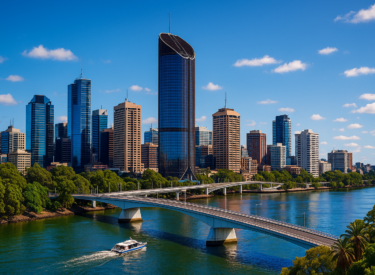
- Also read:Brisbane Property Market Forecast [2026 & Beyond] – What The Olympics Decade Means for Investors.
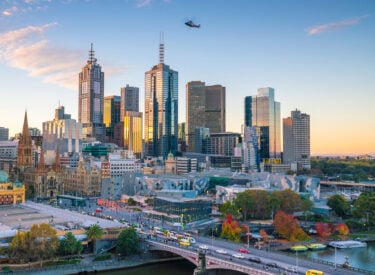
- Also read:Melbourne property market forecast for 2026 & 2027 | Separating the fundamentals from the sentiment
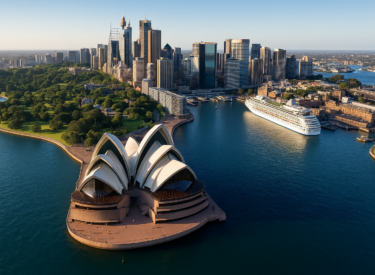
- Also read:Sydney property market forecast for 2026 and 2027 | Why the short-term softness is a long-term opportunity
I learned an important lesson during the recession we had to have back in the early 1990s though, and it's one that still applies today.
Capital growth is what gets you out of the rat race, but cash flow is what keeps you in the game long enough to get there.
That's just as true now, with lending conditions tighter than they've been in years, which is exactly why a healthy cash flow buffer matters so much for getting through the inevitable rainy days.
That’s why investors should protect themselves by having a cash flow buffer to see them through the inevitable rainy days.
13. Location is non-negotiable
Around 80 per cent of your property's performance comes down to its location, with the remaining 20 per cent coming from the property itself, so location is never something to compromise on.
Rather than chasing whatever the next hotspot happens to be, look for locations with a long track record of strong capital growth and the kind of demographics that will keep them outperforming the averages well into the future.
More often than not, that means the more affluent inner and middle ring suburbs of our capital cities, where residents have higher disposable incomes and are both able and willing to pay a premium to live there.
14. Don't throw your money away
Becoming wealthy starts with the simple discipline of spending less than you earn, saving the difference, and eventually putting that money to work.
It sounds obvious, yet too many people throw their money away buying things they don't need, with money they don't have, to impress people they don't even particularly like.
Like Robert Kiyosaki says: “If you don’t know how to care for money, money will stay away from you.”
15. Gratitude is important
Wealth means something different to everyone, and the number of properties or dollars you accumulate isn't really what defines it.
Over the years I've come to believe that true wealth is what's left when everything else, all the money and all the properties, is taken away.
It's the person you've become along the way, the relationships you've built and the security you've created for the people you love.
16. Give back to the community and charity
Being grateful for what you have naturally leads to wanting to give some of it back.
Supporting our community and various charities alongside my wife Pam has been one of the most rewarding parts of my life, and I'd genuinely recommend it to any investor who's done well.
We've been extraordinarily fortunate through our property investments and our business, and I believe that comes with a responsibility to help others who haven't had the same opportunities.
I believe that if you're lucky enough to do well, it's your responsibility to send the elevator back down, and I think about that often.
The lesson from all of this is that property investment is a long journey.
There will be market ups and downs and lessons learned, along the way.
But with the right education and the right support, you can create and live a wealthy and grateful life.
And we can't ask for any more than that, can we?