

Key takeaways
Australia is heading into a property divide, where some suburbs could double in value by 2030 while others stagnate or decline.
This is not a forecast but a scenario showing what could happen if the strong price growth of the past five years were to continue.
PropTrack modelling suggests large disparities ahead.
The real story is suburb-level divergence, not national averages. Location selection will matter more than ever.
Chronic housing undersupply, combined with population growth and migration, remains a powerful long-term driver of price growth.
Not all markets will benefit - interest rates, borrowing limits, policy changes and economic shocks will cap growth in some locations.
The biggest risk for investors isn’t market timing - it’s*buying the wrong property in the wrong location.
Over the next decade, strategy will matter more than timing and only well-chosen assets will meaningfully build wealth.
Brace yourself.
New modelling by PropTrack suggests that Australia is on the cusp of a property divide, with values in many suburbs poised to double by 2030 if recent trends continue, while other locations are likely to stagnate or decline.
I know this sounds dramatic, but if the research highlighted in realestate.com.au is correct, this real estate divide won’t just reshape property values - it will reshape wealth in Australia.
Explaining the modelling REA Group economist Angus Moore said "prices weren’t done climbing."
He noted that if prices continued to grow at the same rate as the past five years, buyers would pay about 61 per cent more in Sydney, 68 per cent more in Brisbane and 75 per cent more in Adelaide by 2030.
Melbourne prices would be 17 per cent higher, Perth prices would go up by 66 per cent and in Hobart and Canberra the rise would be about 40 per cent.
Mr Moore was quoted as explaining that this modelling was not a forecast but highlighted “how strong the past five years have been, particularly for what were once more affordable markets”.

Here's what could happen.
Modelling from PropTrack shows that if the past five years of price trends were to continue:
- The average Sydney house prices could push towards $2.4 million by 2030 - nearly a million dollars more than today.
- Melbourne's family-friendly suburbs were poised to boom, with more than 50 new suburbs on track to join Melbourne's Million Dollar Club within the next five years.
- Brisbane and broader Queensland markets could surge by 84% if the past five years repeats.
- Adelaide could leap into the ranks of Australia’s most expensive cities, with 75% growth over the next five years.
Again, this is not a forecast; it’s an illustration of what happens if the last five years’ patterns repeat to 2030.
While this report suggests hundreds of suburbs could double in value if the property price growth of the last five years repeats itself, clearly that won't necessarily happen.
Economics and demographics rarely repeat exactly, there are so many other factors that come into play, including affordability issues.
We know property booms don’t last forever, and underperforming markets like Melbourne are rebounding from a number of years of underperforming.
Interestingly, the report also suggests that certain locations will languish, and the gulf between suburbs that have tailwinds and those that don’t will only widen.
Heads Up: Structural Limits to Growth
Before you conclude “every market will double,” there are real limits and variables to consider:
- Affordability constraints: As prices rise, fewer buyers can qualify for finance, which can slow growth.
- Interest rates: If rates stay high or rise, they suppress borrowing capacity.
- Policy responses: Federal and state interventions, whether tax changes, supply initiatives, or lending reform, will shift outcomes.
- Economic shocks: Recessions, employment shocks, or global financial disruptions can reset expectations.
So while doubling isn’t a baseline expectation for every suburb, the trend-extension modelling clearly shows it’s a possible reality for a meaningful slice of the market by 2030.
Structural Market Forces Supporting Ongoing Growth
Before you say this can't happen, let's look at several reasons why significant long-term property price growth is plausible in many areas.
-
Chronic Undersupply Vs Demand
One of the simplest economics lessons is at play here: supply is too low, particularly for detached houses in well-located suburbs.
Slow planning approvals, high construction costs, and local community resistance have all throttled supply while population continues to expand. This gap between supply and demand disproportionately pushes values upward over time.
-
Population Growth & Migration
Australia continues to be a destination of choice for skilled migrants. Higher net migration doesn’t just add population - it adds workers, renters, and future homeowners, all of whom need homes.
When supply can’t keep pace, prices rise. That’s a structural pressure likely to persist through the decade.
-
Wealth Gains and Housing Preference
Property prices have been rising across Australia over the past three years and stronger household balance sheets have left many upgraders and investors with more spending power than incomes alone would suggest.
Couple this with strong employment in key urban centres, and the capital value of homes becomes more appealing as an investment and a lifestyle choice.
-
Local Market Divergence
Of course, not all markets are equal.
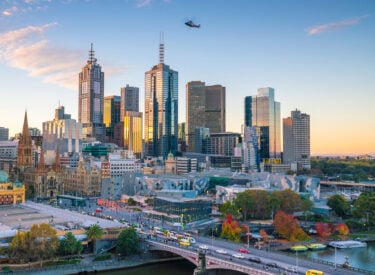
- Also read:Melbourne property market forecast for 2026 | Is it a good time to invest in Melbourne?
- Also read:Latest Property Price Forecasts Revealed. Australian Property Market Outlook 2026: Where To Now After The Rate Rise.

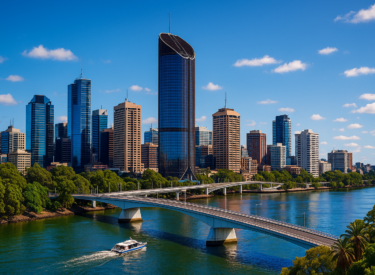
- Also read:Brisbane Property Market Forecast [2026] – What’s Ahead & Where to Invest
- Also read:Sydney property market forecast for 2026. Is it a good time to invest in Sydney?

- Also read:This week’s Australian Property Market Update – Latest Data, State by State March 24th 2026

While Sydney and Brisbane have been strong over the past decade, Melbourne’s growth has lagged at times, but that’s arguably cyclical, not structural.
And areas like regional Queensland show growth that’s markedly ahead of traditional hotspots, driven by lifestyle shifts and affordability pathways.
The Real Risk For Property Investors.
Many people worry about market timing. They shouldn’t.
Market timing is brutal - trying to “catch the bottom” is risky. In fact, that happened in early 2023.
It’s better to think in decade time frames rather than cycles and to remember that location still matters more than ever.
Over the next decade growth will be uneven, doubling in some pockets and moderate in others.
So it's critical to research the structural drivers that will underpin property price growth, such as gentrification, demographics, infrastructure, and supply bottlenecks.
My Take: This Is Not a Prediction
I don’t believe every suburb will double by 2030. But I do believe many will, while some won’t come close.
This modelling is a warning shot for investors who rely on averages, chase headlines, or assume time alone does the heavy lifting.
In the next decade, strategy will matter more than timing, and location selection will matter more than ever.
If this divide plays out, property will become an even more powerful wealth amplifier - but only for those already in the right markets.
Homeowners in high-growth suburbs will see massive equity gains. Others will feel like property “did nothing” for them.
And the divide between them is about to become impossible to ignore.
Here’s the reality many investors are missing.
When markets fragment like this, good properties become scarce faster than most people expect, while average properties quietly underperform for years.
By the time the divide is obvious in the headlines, the best opportunities are already gone.
That’s why at Metropole we don’t chase hotspots or headlines.
We help investors position themselves ahead of structural shifts, using strategic location selection, risk management, and long-term wealth planning - not guesswork.
If you want to understand where the real long-term winners are likely to be — and just as importantly, which markets to avoid — book a complimentary Wealth Discovery Chat with a Metropole Property Strategist by clicking here.
We're much more than just another buyer’s agent. We help our clients safely outperform the markets, giving strategic property and wealth advice.
It’s not about buying more property. It’s about buying better property.