
Key takeaways
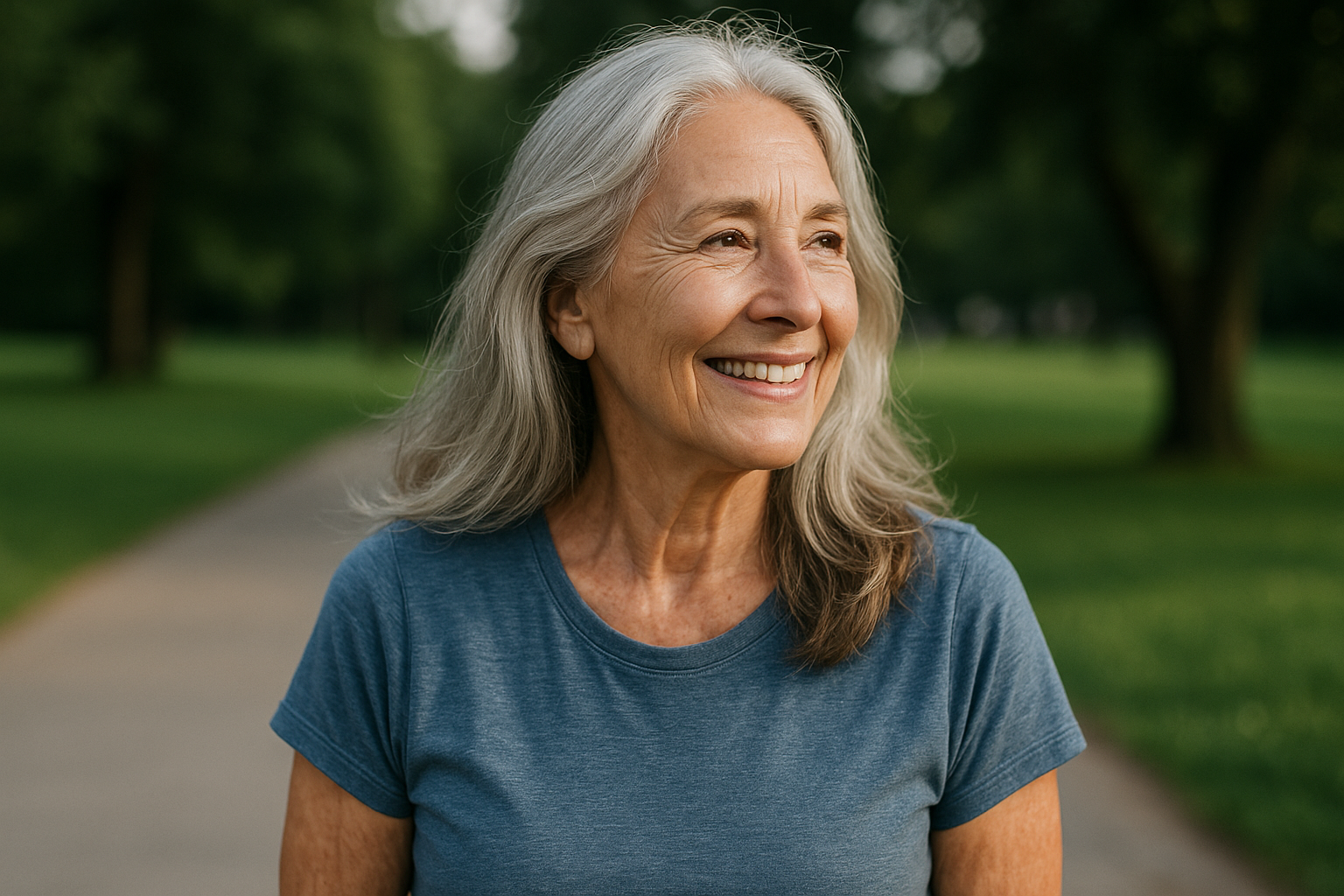
Ageing well isn’t about how many years you add to your life, it’s about how much life you add to your years.
It isn’t about denying your years; it’s about mindset.
People who stay optimistic, flexible, and self-assured live longer, happier lives.
Most of what we worry about doesn’t matter. Other people aren’t thinking about you nearly as much as you think they are.
Free yourself from the need for validation; emotionally mature people draw confidence from within, not from likes or compliments.
Curiosity, humour, and physical movement are the three non-negotiables for staying young in mind and body.
Keep learning new things, laugh often, and maintain social and physical activity.
Carrying grudges and comparisons only weighs you down. Let go of what’s behind you, including your own mistakes, and focus on your own progress. Run your own race.
Whether it’s your finances, health, or relationships, have a plan, but expect it to change. Flexibility builds resilience. Gratitude amplifies it.
Ageing well means preparing wisely for tomorrow while finding joy in today.
Some people grow older but never seem to get old.
You know the type, curious, kind, purposeful, and full of life even into their later decades.
They adapt, they laugh, they keep learning.
Then there are others who retreat into complaint and routine, shrinking their worlds and their possibilities.
The truth is, we’re living longer than any generation in history. The average Australian can expect to live well into their 80s, a full decade or two longer than our grandparents.
But simply adding years to your life isn’t much of an achievement unless you’re also adding life to those years.
So, what does it really mean to age well, mentally, physically, socially, and financially?
That’s the question I explored with leading demographer Simon Kuestenmacher on our latest Demographics Decoded podcast episode, who pointed out that we’re not just living longer; we’ve added a completely new stage of life that didn’t exist before.

For weekly insights, subscribe to the Demographics Decoded podcast, where we will continue to explore these trends and their implications in greater detail.
Subscribe now on your favourite Podcast player:
A whole new adulthood
Simon explained it perfectly:

Note: "We’ve essentially added another adulthood that never existed before, a whole new stage of life. But that means we need to reset how we think about ageing.”
Over the past century, our life expectancy has increased by about 30 years. In demographic terms, that’s a revolution.
What was once a brief retirement is now potentially a third of your adult life, another 20 to 30 years of opportunities, relationships, and reinvention.
The challenge, as Simon put it, is not just to live longer, but to live better for longer.
That requires more than just good health. It means staying financially independent, mentally sharp, socially connected, and emotionally resilient.
And above all, it means developing the right attitude, one that views ageing as a privilege, not a problem.
The rules for ageing well
Inspired by Roger Rosenblatt’s timeless book Rules for Aging, here are some simple, yet surprisingly profound, lessons on how to get older without feeling old.
1. It doesn’t matter (at least, not most of it)
Rosenblatt’s first rule is deceptively simple: It doesn’t matter.
Most of what we worry about each day, what people think, what they said, what they didn’t say, simply isn’t worth the energy.
Simon noted,
“Neither does the world revolve around you, nor are you the centre of anyone’s story but your own. Everyone’s the hero of their own journey.”
That’s not cynicism, it’s liberation.
Once you realise that other people aren’t thinking about you nearly as much as you imagine, you can stop performing for their approval.
You stop trying to control how others see you.
People with an internal sense of control, who don’t rely on outside validation, tend to live happier, calmer, and longer lives. They make decisions based on values, not vanity.
So, rule one: stop sweating the small stuff.
Life’s too short, and too long, for that.
2. Don’t try to reinvent everything at once
In our culture of self-improvement, there’s pressure to constantly reinvent ourselves: a new job, new lifestyle, new diet, new “you.”
But as Rosenblatt warns: Change no more than one-eighth of your life at a time.
Simon put it beautifully:
“Evolution happens in slow, steady increments. Revolution usually leaves blood on the streets.”
Big, abrupt change sounds exciting, but often fails because it’s overwhelming.
Sustainable growth comes from steady adjustments, easing into retirement rather than leaping into it, changing one habit before overhauling your whole routine.
If you want to live well into old age, think like an investor; take a long-term approach to your health, wealth, and happiness.
Incremental improvements compound into extraordinary results.
3. Keep your sense of humour
Ageing well doesn’t mean taking life too seriously; in fact, humour might be the best medicine there is.
Simon pointed out that even emergency doctors and soldiers rely on dark humour to cope with stress.
Laughter is a release valve — it helps us regain perspective when life feels heavy.
“Life is utterly absurd,” Simon said. “My own human existence is weird and funny, and that’s what makes it wonderful.”
A good laugh connects you to others, lifts your mood, and reminds you that even the toughest days are temporary.
And besides, everyone else stopped taking you too seriously years ago, so you might as well join them!
4. Pursue virtue, but don’t obsess about perfection
Be kind. Be ethical. But don’t expect to get it right every time.
As Simon reminded me, “Good enough is often just good enough.”
We live in an age of constant self-optimization: the 5am club, mindfulness challenges, biohacking, endless “life hacks.”
But real growth doesn’t come from perfection; it comes from direction.
Set your moral compass, move roughly in the right direction, forgive yourself when you slip, and get back on track.
Ageing well isn’t about perfect habits, it’s about a forgiving mindset that lets you keep moving forward.
5. Accept your past and move on
One of the clearest markers of emotional maturity is being at peace with your past.
Simon observed:
“The happiest older people I know have made peace with who they were, and who they are.”
You can’t rewrite history, but you can reinterpret it.
Accepting your missteps, without dwelling on them, frees you from regret.
It also keeps you present and future-focused, which is where real joy lives.
6. Don’t expect life to be fair
This one’s tough but true. Life isn’t fair, and it never was.
- Also read:This week’s Australian Property Market Update – Latest Data, State by State March 24th 2026

- Also read:Melbourne property market forecast for 2026 | Is it a good time to invest in Melbourne?
- Also read:Latest Property Price Forecasts Revealed. Australian Property Market Outlook 2026: Where To Now After The Rate Rise.

- Also read:Brisbane Property Market Forecast [2026] – What’s Ahead & Where to Invest
- Also read:Sydney property market forecast for 2026. Is it a good time to invest in Sydney?

As Simon said with a chuckle, “That’s the same lesson I try to teach my five-year-old ; life isn’t fair, mate.”
Disappointments are inevitable: failed relationships, lost money, health issues, sudden changes.
But none of it means life has singled you out. It’s just the human condition.
You can’t control the chaos, but you can control your response to it. That’s resilience, the quiet strength that separates people who merely live long from those who live well.
7. Stay curious - always
Curiosity isn’t just for the young; it’s what keeps you young.
Research consistently shows that learning new things delays cognitive decline and strengthens mental agility.
Simon explained:
“Curiosity connects generations. Older adults who stay curious can communicate with younger people, while sharing their own hard-earned wisdom.”
Read widely. Learn a language. Master technology instead of avoiding it.
Curiosity keeps your brain elastic, your mind open, and your spirit young.
8. Keep moving, physically and socially
Movement is medicine, not just for your body, but for your mind.
Yes, physical activity matters, walking, cycling, stretching, lifting weights.
But social movement matters too. One of the biggest risks in later life is isolation.
As friends move, age, or pass away, our circles shrink unless we consciously expand them.
“Cultivate friendships with people younger than you,” Simon suggested. “They’ll keep your ideas fresh — and statistically, they’re less likely to die before you.”
It’s funny, but true.
Keep moving, through your community, your relationships, your life.
9. Have a plan, but stay flexible
Planning ahead gives you confidence, but rigidity can steal your joy.
Financially, this means having a wealth strategy that gives you control, not dependence on the government or the economy.
But as Simon said:
“If you have a plan, surprises are less surprising.”
Still, expect the unexpected. Plans will need adjustment, whether it’s your investment portfolio, health routine, or retirement timeline.
Good planning means clarity, not certainty.
10. Forgive yourself and others
Grudges are emotional deadweight. They tie you to the past and poison the present.
Simon explained:
“Holding a grudge feels like protection, but it’s just extra weight you carry up the hill of life.”
Forgiving doesn’t mean forgetting or excusing, it means freeing yourself from bitterness.
And that includes forgiving yourself for what you didn’t know then but understand now.
11. Stop comparing and competing
Social media has made this harder than ever.
We’re constantly bombarded with highlight reels, filtered lives that make ours look dull in comparison.
Simon put it succinctly:
“In the gym, you lift your own weights. It doesn’t matter what the person next to you lifts.”
Run your own race. Success is personal.
Comparing yourself to others, especially as you age, is a guaranteed way to feel behind, no matter how far you’ve come.
12. Practice gratitude every day
Gratitude might sound cliché, but it’s one of the most evidence-backed habits for wellbeing.
Simon reminded me that across cultures, gratitude rituals were built into daily life through prayer or reflection.
“We’ve largely done away with those traditions,” he said, “but they had deep psychological value.”
You don’t need a spiritual framework to feel thankful, just a moment each day to notice what’s good.
Over time, gratitude rewires your brain to focus on abundance, not lack.
Try ending each day by noting three things you’re grateful for, big or small.
It’s a small act that compounds into lasting contentment.
Australia’s ageing advantage
From a demographic standpoint, Australia is well positioned to age gracefully as a nation.
“We’re doubling the 85-plus population by 2040,” Simon noted. “That’s from 590,000 to 1.2 million people, and half will need daily care.”
That’s a staggering shift. But compared to other countries, we’re still relatively wealthy, healthy, and well-resourced.
We have the means to design communities that support connection, activity, and dignity in later life.
To age well collectively, we’ll need more walkable neighbourhoods, better social infrastructure, and housing models that keep older Australians connected, not isolated.
The real secret to ageing well
In the end, ageing well isn’t about denying your age or chasing youth.
It’s about acceptance, curiosity, connection, and perspective.
As I often remind people, if you’re reading this today, you’ve already won the genetic lottery.
You’re alive in an era of comfort, safety, and opportunity, one your grandparents couldn’t have imagined.
So don’t wait for retirement to practise gratitude, build friendships, or find joy. Start now.
Because ageing well isn’t about how many years you add to your life, it’s about how much life you add to your years.
If you found this discussion helpful, don't forget to subscribe to our podcast and share it with others who might benefit.
Subscribe now on your favourite Podcast player: