

Key takeaways
Commercial and industrial assets are highly sensitive to economic shifts. Interest rates, inflation, and GDP growth directly affect yields, rents, and investor sentiment.
Falling interest rates and expanding GDP compress cap rates and push values higher, while inflation (through CPI-linked leases) can actually boost rents and returns.
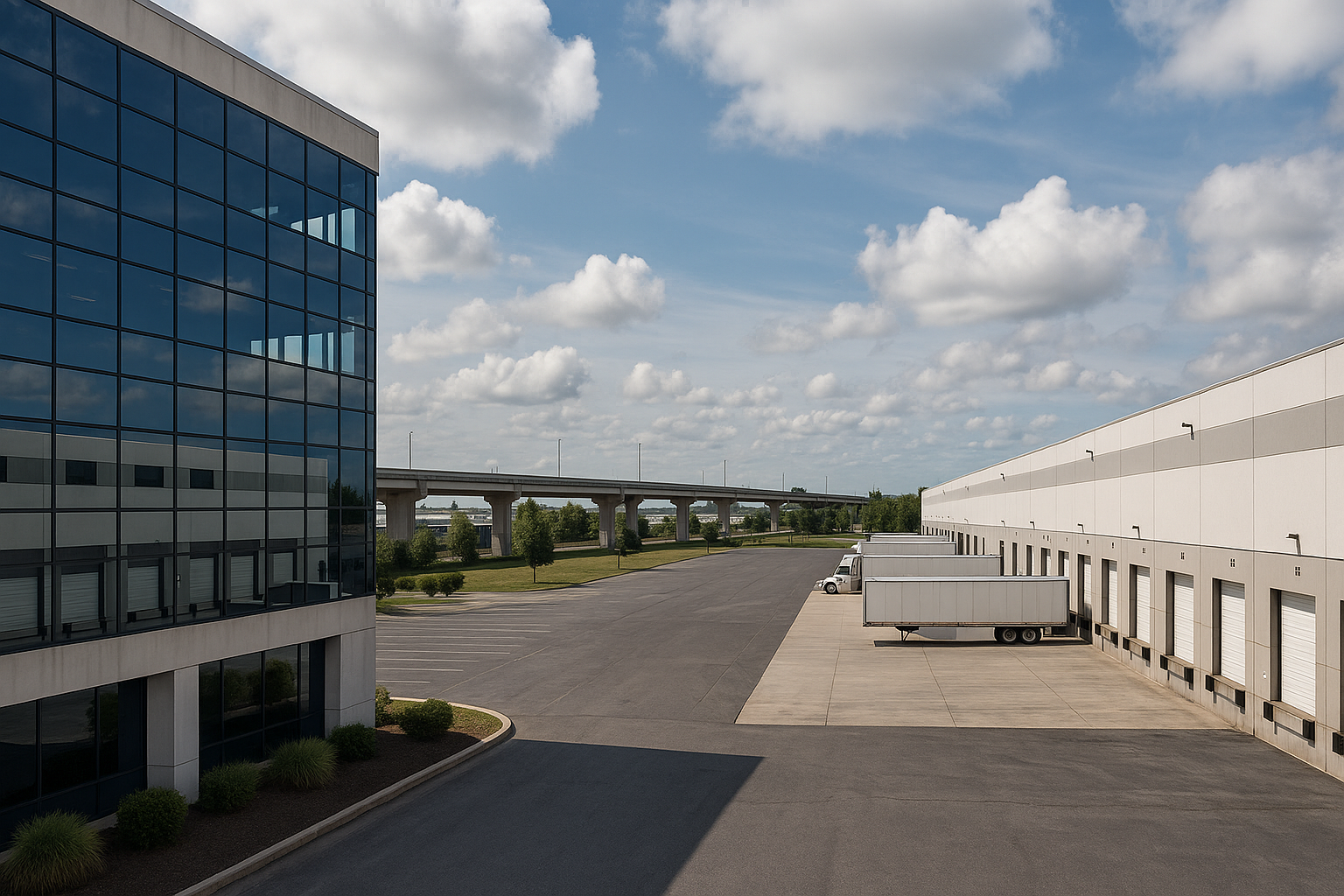
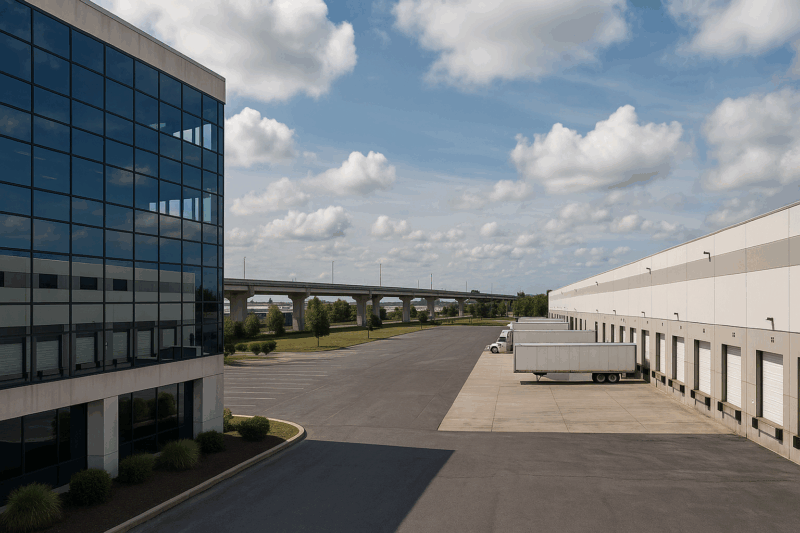
Scarcity of industrial-zoned land near ports, airports, and transport corridors—combined with record-low vacancies and high construction costs—is creating sustained upward pressure on prices.
Limited new supply means existing assets with strong tenant demand are commanding premium values.
Access and connectivity determine performance. Properties close to major arterials or infrastructure projects—like the Western Sydney Aerotropolis or SEQ logistics hubs—benefit most.
Older industrial areas near CBDs are being transformed for mixed use, adding a redevelopment premium.
In commercial property, the lease is the investment. Long leases to stable tenants with CPI or fixed annual rent reviews underpin income certainty and capital growth.
Flexible, well-designed assets that suit a range of tenants perform best, while overly specialised buildings risk obsolescence.
E-commerce, reshoring of manufacturing, digital infrastructure (data centres), and population growth are reshaping demand for industrial space. Energy-efficient and adaptable buildings attract better tenants and valuations, while outdated properties risk being left behind.
As these trends accelerate, commercial and industrial assets are set to deliver strong, inflation-resistant growth for strategic investors.
Why do some commercial and industrial properties surge in value while others stagnate for years?
Why does one warehouse in one of Melbourne’s southeastern suburbs double in value, while another only 15 minutes away barely moves?
And why are experienced investors quietly shifting more of their portfolios toward certain segments of commercial and industrial real estate?
If you think it's just about rent or yields, think again.
Commercial and industrial property plays by a very different set of rules to residential investing, and understanding these rules is where savvy investors gain an edge.’
In today’s environment with tight industrial vacancies, rising construction costs, and a reshaping Australian economy, these differences matter more than ever.
So let's look at the real drivers of capital growth in this property sector, and why the next decade is shaping up to be transformative.
1. Capital growth starts with macroeconomic forces that reshape investment behaviour
The first thing sophisticated investors understand is that commercial values move with the economic cycle far more dramatically than residential property.
- Interest rates influence capitalisation rates directly. When rates rise, yields expand, and values soften. When rates fall, cap rates compress and values jump.
- Inflation isn’t all bad. With most commercial leases indexed to CPI, inflation actually lifts rents and therefore values.
- GDP growth and business confidence drives demand for office space, warehouses, showrooms, and industrial property.
When the economy stalls, vacancy rises, and yield compression evaporates.
But currently we're in a phase of the economy that is expanding, which will see demand rising and commercial rents rise.
2. Supply and demand - the real engine room of growth
Just as residential values respond to scarcity, commercial and industrial values do too - but the scarcity mechanism works differently.
- Scarcity of zoned industrial land
Industrial-zoned land in our major cities is in critically short supply, especially near ports, airports, and key freeway networks.
Governments aren’t rezoning enough new land to keep up with demand, and that’s creating long-term upward pressure on values.
- Vacancy rates
Vacancy is everything in commercial property.
Low vacancy equals rising rents, stronger covenants, more competition for assets, and therefore capital growth.
Right now, vacancies in the industrial sector are at historic lows in Sydney, Melbourne, and Brisbane.
There is much more demand than new supply coming into the market and this is why industrial has massively outperformed other commercial asset classes over the last decade.
- Future supply pipeline
The fewer new buildings in the pipeline, the stronger the pricing power for existing assets.
And with construction costs continuing to rise, there is a very limited amount of new supply, and that which is coming onto the market will only be financially viable to develop if rents and values rise.
3. Location, infrastructure and the changing shape of our cities
Commercial and industrial values live and die by access.
- Transport infrastructure - modern commerce depends on efficient movement of goods, meaning properties near major arterials, ports, and airports will benefit the most.
- Urban consolidation In land-constrained cities like Sydney and Melbourne, older industrial pockets close to the CBD are becoming increasingly valuable, not necessarily for what they are today, but for what the land could become tomorrow. Many have been redeveloped for mixed use as residential and commercial properties.
- Infrastructure spending - Billions in road, rail, and precinct development are creating entirely new industrial and employment hubs.
Think Western Sydney Aerotropolis, Fishermans Bend, and the booming SEQ logistics belt.
4. The lease is the asset - tenant quality drives value
In residential, the tenant is a bonus, but in commercial, the tenant is the investment.
Investors will pay more for a long lease to a stable tenant.
Commercial and industrial leases are much more complicated than residential leases and often for three to five years and include conditions such as annual reviews to either a fixed amount or CPI, and market reviews at the end of the lease.
- Also read:Melbourne property market forecast for 2026 | Is it a good time to invest in Melbourne?
- Also read:Latest Property Price Forecasts Revealed. Australian Property Market Outlook 2026: Where To Now After The Rate Rise.

- Also read:Brisbane Property Market Forecast [2026] – What’s Ahead & Where to Invest
- Also read:Sydney property market forecast for 2026. Is it a good time to invest in Sydney?

- Also read:This week’s Australian Property Market Update – Latest Data, State by State March 24th 2026

These create predictable growth in income, which translates directly into capital growth.
Investors favour flexible commercial and industrial buildings that suit many tenants. Overly specialised or hard-to-modify buildings struggle to achieve strong capital growth.
5. Structural trends reshaping commercial and industrial values
There are also some long-term forces that will shape our commercial property markets moving forward:
- The e-commerce boom Online retailing and rapid delivery are driving unprecedented demand for industrial space.
From large-format distribution centres to smaller last-mile warehouses, industrial is the clear winner. - Manufacturing returning to Australia After the supply chain shocks of recent years, companies are reshoring production. This is fuelling demand in regional hubs and outer-metro industrial precincts.
- Data centres and technology precincts As Australia digitises, demand for specialised data infrastructure is exploding. Locations with access to power, cooling, and fibre-optic connectivity are seeing extraordinary growth.
- Energy transition Energy efficient buildings attract higher quality tenants and higher valuations. Older “brown” buildings risk becoming stranded assets.
6. Demographics matter too - even for commercial property
Most investors associate population growth with residential demand, but the real picture is broader.
- More people equals more consumption, which drives logistics and warehousing demand.
- More households equals more retail and service demand.
- More businesses eventually cluster around growth corridors and infrastructure hubs, lifting surrounding commercial values.
Australia’s population growth will continue to underpin commercial and industrial values for decades to come.
7. Zoning, planning and future redevelopment potential
Planning controls are among the biggest drivers of long-term capital growth and industrial zoning scarcity keeps land values rising.
8. Asset quality, functionality and future-proofing
Commercial tenants are willing to pay significant premiums for:
- higher clearance warehousing
- large hardstand
- B-double truck access
- modern office components
- energy-efficient design
- high power capacity
Large footprint retail showrooms continue to be in strong demand, more so than shops in the traditional “high street’ shopping centre.
On the other hand, functional obsolescence is a real risk for older buildings.
9. Sentiment, capital flows and investor behaviour
Commercial property is highly sensitive to capital flows. When super funds, syndicates, and REITs allocate more to industrial, values rise.
Currently we're seeing many inexperienced investors buy commercial property on residential yields, pushing up values above the fundamentals professional investors would be prepared to pay.
Final thoughts for strategic investors
Residential property delivers steady long-term growth because it is tied to population and land scarcity.
Commercial and industrial property, however, offers the opportunity for strong capital growth when the right drivers align, and right now, many of those drivers are pointing in the right direction for well-located commercial and industrial assets.
If you understand the interplay of the many factors I've discussed above, you’ll be well positioned to outperform the market.
And as we move deeper into the next phase of Australia’s economic transition, I believe commercial and industrial property will increasingly attract sophisticated investors looking for diversification, inflation protection, and stronger long-term returns.
If you're serious about growing a high-performing property portfolio, now is the time to ensure you have a strategic wealth plan guiding your decisions.
At Metropole, we don’t believe in cookie-cutter advice or chasing the latest hotspot.
We help investors like you make smarter, safer, more informed choices so you can build, protect, and pass on lasting wealth.
If you’d like clarity about the right next move - whether residential, commercial, or a blend of both - why not get in touch for a complimentary Wealth Discovery Chat?
You’ll walk away with:
- a clear understanding of your investment options
- a strategic plan tailored to your goals
- direction on how to take advantage of current market conditions
- and the confidence of knowing your decisions are backed by experts, not guesswork
If you're ready to take the next step, click here to discuss your options with a Metropole Wealth Strategist and put a proven plan behind your financial future.