
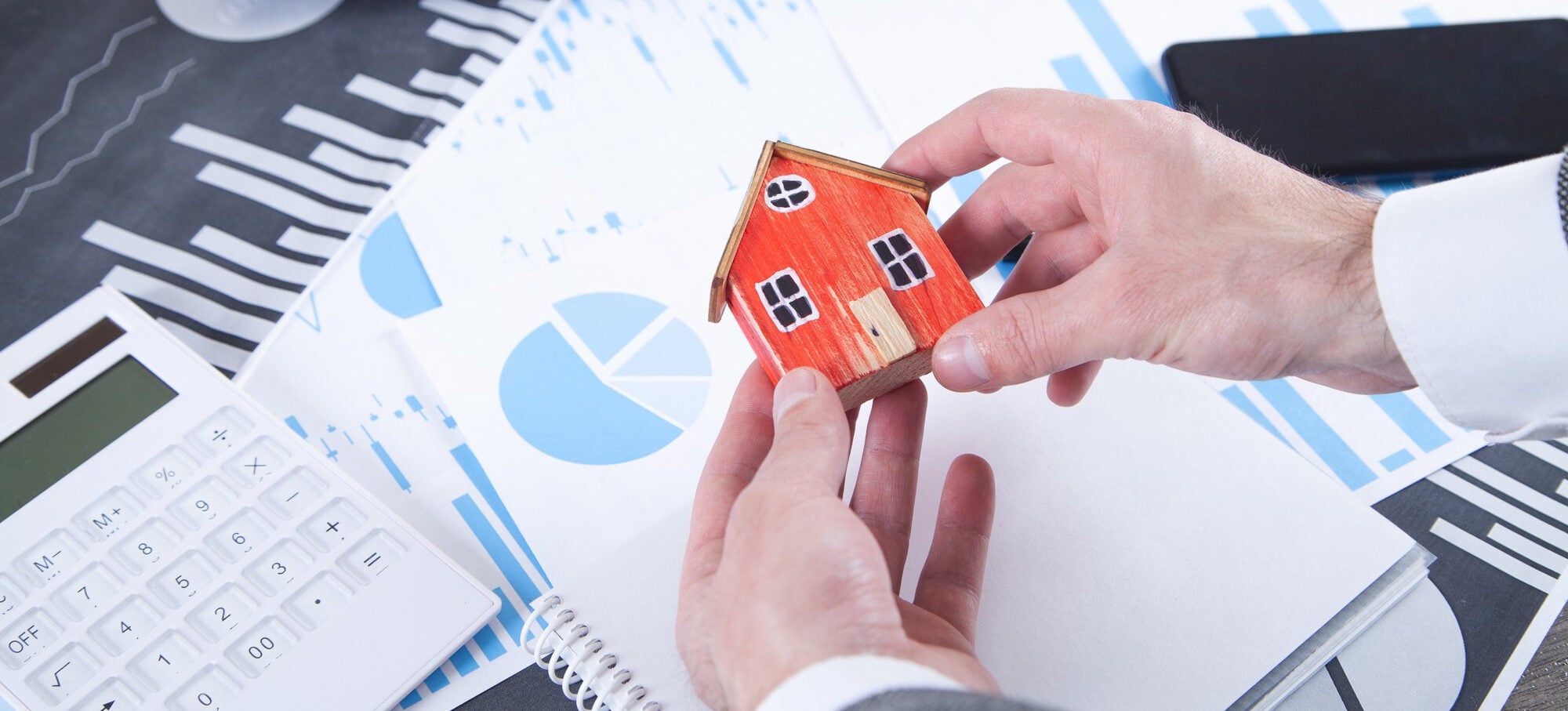
Despite budget pressures, rising costs, and political uncertainty, the case for property investment has never been clearer — if you know what to buy.
With the latest federal budget sending shockwaves through the investment community, many Australians are asking whether now is still the right time to invest in property. The short answer: if you’re financially positioned to do so, the cost of inaction may far outweigh the cost of any short-term uncertainty.

The Human Cost Nobody Is Talking About
Much of the budget debate has focused on investors, home buyers, and the broader market. But there’s a vulnerable group being left out of the conversation: those experiencing homelessness and housing insecurity.
The fastest-growing cohort experiencing homelessness right now is middle-aged women — a sobering reality. Private investors play a critical, often underappreciated role in providing rental housing for people who need it most. When investor confidence is undermined, supply contracts, and those with the least power bear the consequences.
The rental shortage isn’t just a market problem — it’s a human crisis. A healthy investor ecosystem directly supports housing availability for Australia’s most vulnerable.
Three Financial Futures — Which Path Are You On?
Regardless of what the budget does, time will pass. In 15–20 years, Australians will find themselves in one of three financial positions:
- IDEAL: $230k+ – Annual income target (inflation-adjusted from $150k today)
- STAGNANT: $55k – Average retirement income today — tomorrow’s crisis
- CRISIS: $31k – Current pension rate — if it even exists in 20 years
At 3% annual inflation, today’s “comfortable” retirement of $150,000 per year becomes the bare minimum by the time today’s 40-somethings stop working. What feels like a stagnant outcome now will feel like a crisis later. And the pension? It may not exist in its current form at all.
“Every year you delay, the gap widens. Getting onto the growth trajectory today requires far less risk than trying to close the gap in a decade.”
A single $500,000 property purchased today could generate an additional $1 million in wealth at retirement. A $1 million property could become two or three million. The mathematics of compounding growth reward those who act early.
- Also read:Home Prices Now Falling Following Rate Rises | Latest stats from Dr. Andrew Wilson

- Also read:Caveats: The hidden red flags smart property investors never ignore

- Also read:Melbourne property market forecast for 2026 & 2027 | Why the opportunity is bigger than it looks
- Also read:Sydney property market forecast for 2026 and 2027 | Why the short-term softness is a long-term opportunity
- Also read:Latest Property Price Forecasts. Australian Property Market Outlook 2026: Where To Now After The Rate Rise & Budget Changes.

Why Property — Not Just Any Investment
Shares, businesses, ETFs — all have their place in a diversified portfolio. But property offers three structural advantages that make it the ideal first investment vehicle:
1. Enduring demand — Everyone needs somewhere to live. In blue-chip, A-grade locations with constrained supply, demand is structural and self-reinforcing. The government is well behind its housing targets, which only compounds the supply-demand imbalance.
2. Leverage — $50,000 in capital can control a $500,000 asset. You cannot borrow 90–95% to buy shares. The ability to amplify returns through leverage is unique to property — a 6% return on $500,000 far exceeds a 10% return on $50,000.
3. Manufactured growth — Unlike shares, you can actively increase a property’s value through renovations, depreciation strategies, and improved cash flow. Property is the only asset class where skill and effort directly create additional returns.
What Not to Buy
The budget has changed the landscape. Negative gearing on established properties for capital gains purposes has been removed, while newer properties retain the concession. This makes choosing carefully more important than ever.
- High-rise apartments in large complexes — When 100+ identical units compete for the same tenants and buyers, scarcity disappears. Scarcity is the engine of capital growth.
- Fringe suburbs with abundant land — New estates on the urban fringe have no supply constraint. Stage 1 becomes Stage 24, and prices stagnate.
- Low-income areas — Approximately 90% of regional and capital cities are at the top of their cycle. Areas where average incomes fall below the state median carry serious risk: mortgage stress, affordability pressure, and limited capacity to absorb rent increases.
What to Buy Instead
The principles are consistent regardless of property type: established, built-up locations with constrained supply, above-average household incomes, and strong owner-occupier demand.
- Boutique apartments (up to 12–20 in the complex) — In built-up areas with no adjacent land. Surrounded by parks and reserves. Serving affluent, income-growing demographics who can afford higher rents and absorb market downturns.
- Townhouses in small complexes (5–6 dwellings) — Low maintenance, established areas, strong rental demand, no land supply overhang.
- Freehold houses in top school catchments — Driven by owner-occupiers rather than investors. Strong land component. Adjoining walls are fine if the title is freehold and the location commands genuine scarcity.
The test for any property is simple: is there genuine scarcity? Can the people in this area afford to pay more over time? If yes to both, you’re looking at capital growth. If no to either, you’re taking on unnecessary risk.
The Takeaway
Budget uncertainty, rising costs, and shifting negative gearing rules will create hesitation. Some of that hesitation is rational. But the financial consequences of spending 15–20 years in the “stagnant” category are severe and largely irreversible.
The question isn’t whether to invest. It’s whether you can afford not to — and what you buy when you do.