
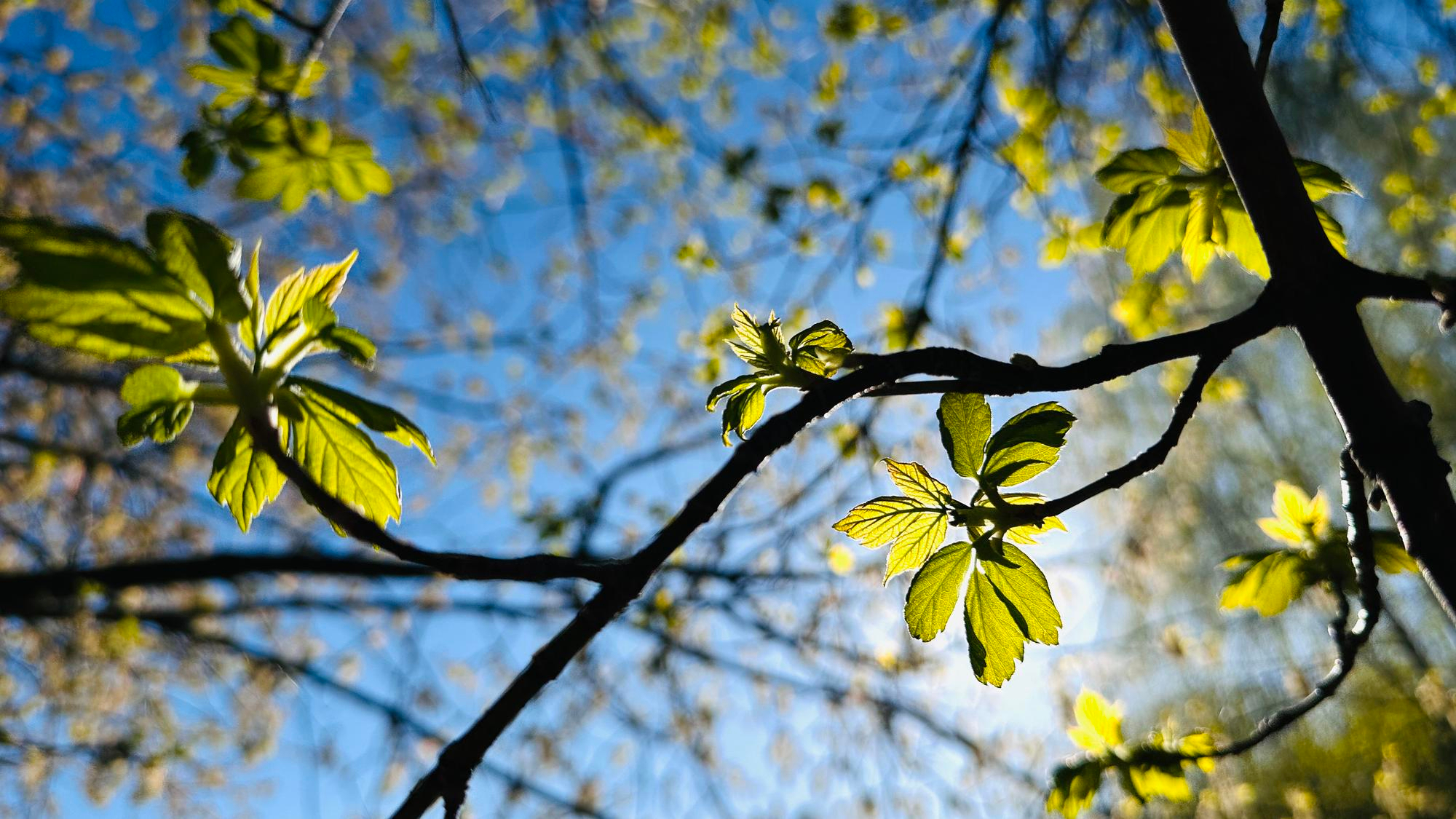
Mature trees can add real character to a property. They provide shade, privacy, street appeal and a stronger sense of established landscaping. For buyers and tenants, this can make a home feel more livable and attractive. But trees are also living assets that change over time, and when they are ignored, they can quietly turn from an advantage into a liability. Poor tree maintenance can create safety issues, unexpected repair bills, neighbour disputes and even insurance complications. For owners or managers overseeing multiple properties, tree maintenance software can help keep inspection notes, service history and future maintenance tasks organised in one place.
This is the part many property owners underestimate. A tree problem rarely starts as an obvious emergency. It usually begins as a small issue: a weak branch, root movement near paving, a canopy growing too close to the roofline, or signs of disease that go unnoticed. Left unmanaged, those small issues can become expensive property risks.
The risk of storm damage and falling branches
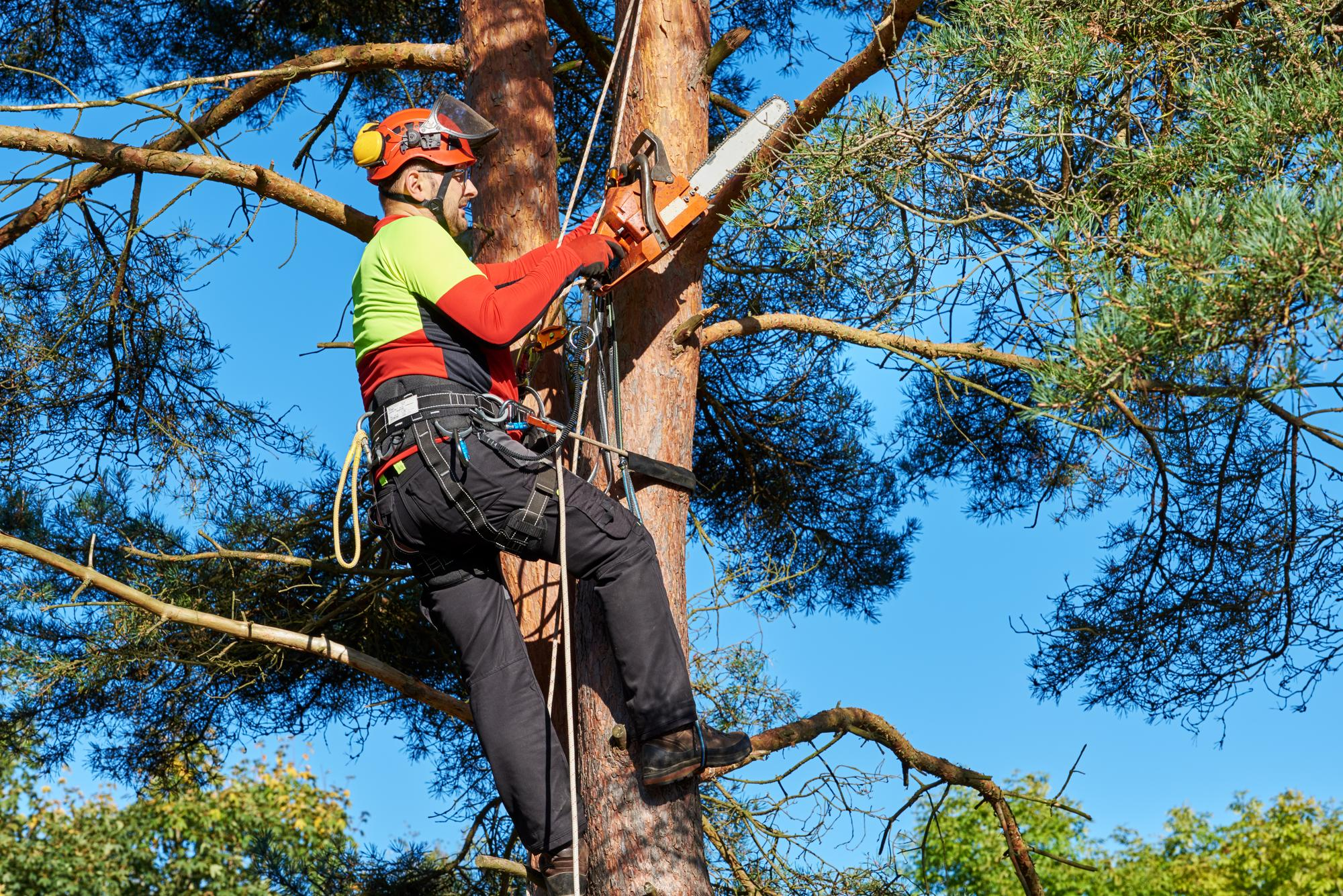
Storms are one of the most obvious triggers for tree-related damage, but the damage often depends on the condition of the tree before the weather event. A healthy, well-maintained tree is not risk-free, but it is generally less likely to fail than one with deadwood, structural defects or an unbalanced canopy.
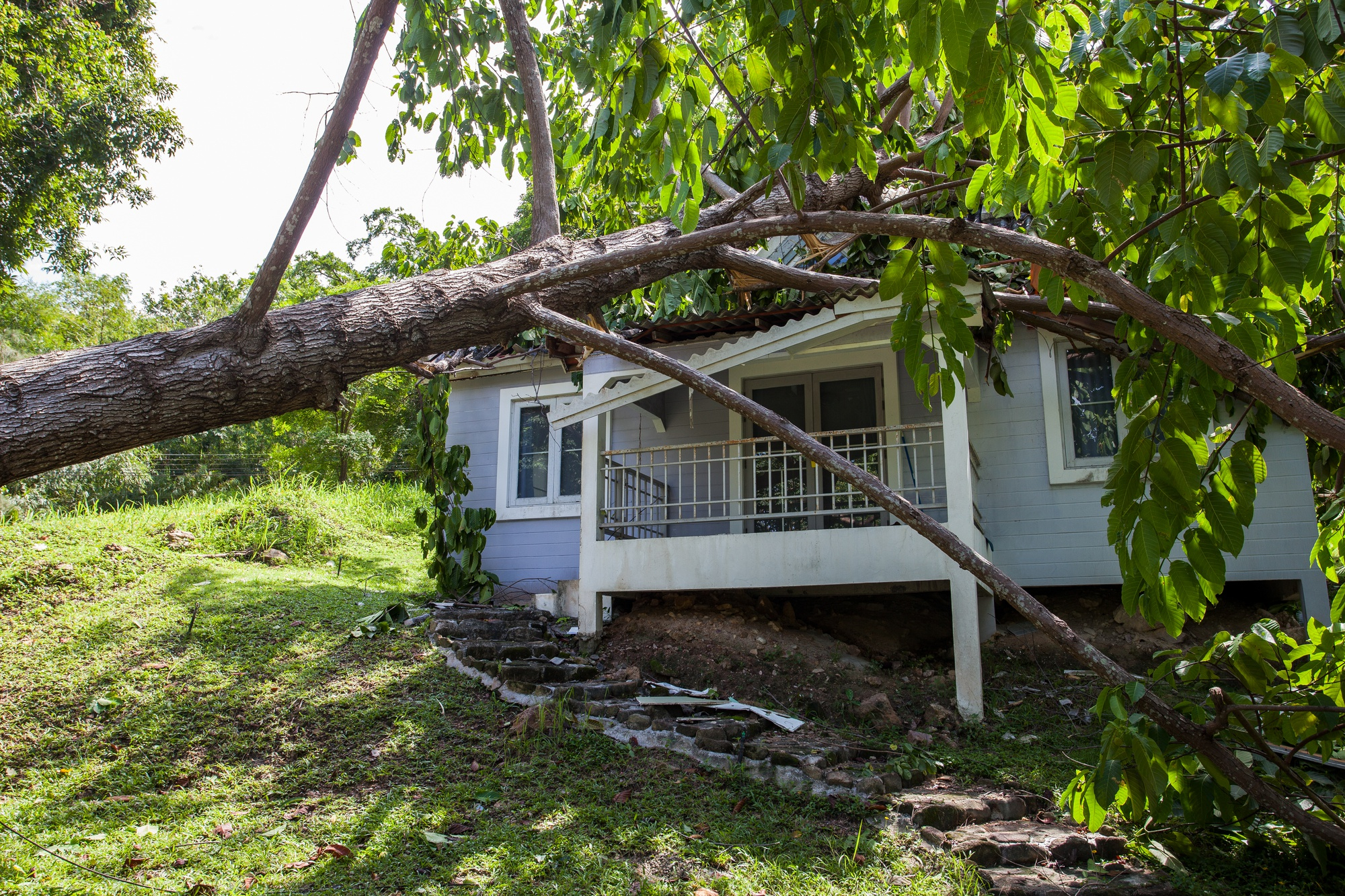
For property owners, falling branches can damage roofs, fences, cars, sheds, gutters and outdoor structures. In rental properties, they can also create safety concerns for tenants and visitors. If a known tree issue was ignored, the owner may face difficult questions about whether reasonable maintenance was carried out.

Note: That is why routine inspection matters. It is not just about keeping the garden tidy. It is about identifying risks before bad weather exposes them.
Roots can create costly structural and access problems
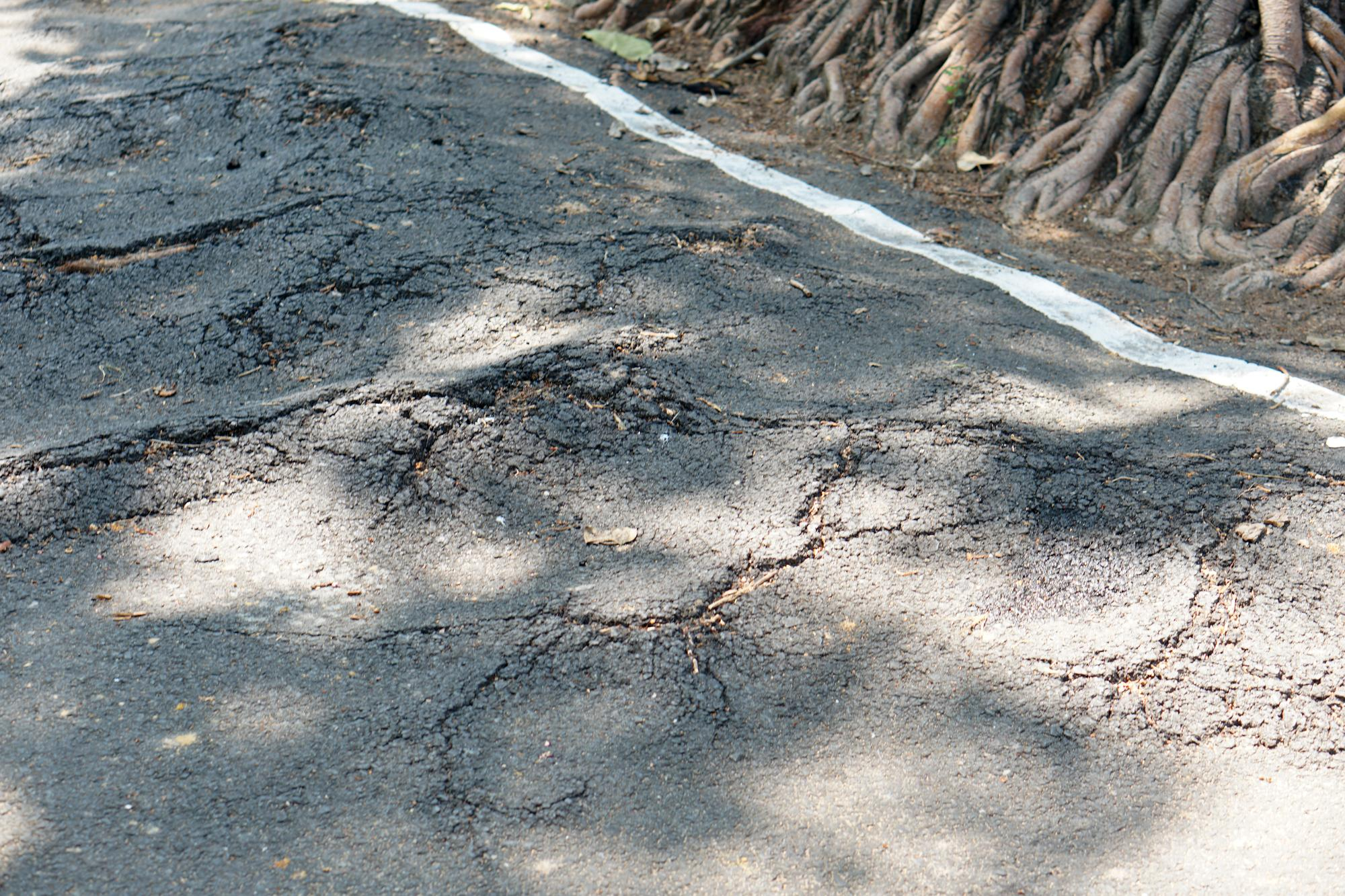
Tree roots are often out of sight, which makes them easy to overlook. But they can affect paths, driveways, retaining walls, drainage lines and outdoor surfaces. In some cases, root movement can also create trip hazards or make access areas harder to use safely.
This is especially important for investment properties. Tenants may report surface issues only after the problem has become visible, and by then the repair cost can be higher. Owners planning renovations or landscaping changes also need to understand where major root systems are located before beginning work.
Good tree maintenance does not mean removing every tree near a structure. It means understanding the relationship between the tree, the property and the surrounding infrastructure so decisions can be made early and sensibly.
Poor tree care can affect street appeal and tenant satisfaction
Property value is not only shaped by major structural features. Presentation matters too. A well-maintained outdoor area can make a property feel cared for, while neglected trees can make it look unmanaged.
Overgrown branches, excessive shade, leaf litter, blocked gutters and damaged fencing can all affect how tenants or buyers perceive a property. In a competitive rental market, these details can influence tenant satisfaction and renewal decisions. For sellers, first impressions can affect buyer confidence before they even step inside.
Trees should enhance the property, not create the impression that maintenance is falling behind.
Neighbour disputes often begin with boundary trees
Trees near boundaries can quickly become a source of tension. Overhanging branches, falling leaves, blocked sunlight, root damage, or concerns about safety can all trigger disputes between neighbours. These issues are common because trees do not respect title boundaries, even though property responsibilities do.
- Also read:How to Find Top New Apartment Developments in Melbourne

- Also read:The Impact of Visa Regulations on Property Market Trends in Australia

- Also read:5 Best Real Estate Photo Editing Services of 2024

- Also read:Steel Advantage: The 6 Benefits of Steel Buildings

- Also read:Renovating to Rent? Don’t Skimp on the Skip Bin

For investors and landlords, neighbour disputes can become time-consuming and emotionally draining. They can also create extra communication between tenants, agents, owners and adjoining property holders. Regular maintenance helps reduce the chance that a tree becomes a point of conflict.
A clear record of inspections and completed work also helps show that the owner is managing the property responsibly.
Emergency tree work is usually more expensive than planned maintenance
One of the strongest financial reasons to stay on top of tree maintenance is cost control. Emergency work is often more expensive than scheduled maintenance because it may require urgent attendance, specialised equipment, after-hours work or additional safety measures.
The bigger problem is that emergency tree issues rarely come alone. A fallen branch may also mean roof repairs. A blocked drain may cause water damage. A damaged fence may lead to security concerns. What began as a tree maintenance issue can quickly become a broader property expense.

Tip: Planned maintenance gives owners more control over timing, budgeting and decision-making. It also reduces the risk of being forced into urgent action when options are limited.
Tree records matter for long-term property planning
Many owners keep records of renovations, pest inspections, insurance, plumbing and electrical work, but tree care is often poorly documented. That creates a gap in the property’s maintenance history.
For a single home, that may be manageable. For investors or property managers overseeing multiple assets, it becomes harder to track which trees were inspected, what work was recommended and when follow-up is needed. Tree maintenance software can make this process more structured by keeping property-specific tree records, photos, inspection notes and service schedules accessible over time.
That kind of record-keeping supports better planning. It also helps owners make informed decisions when preparing a property for sale, lease renewal, renovation or major landscaping work.
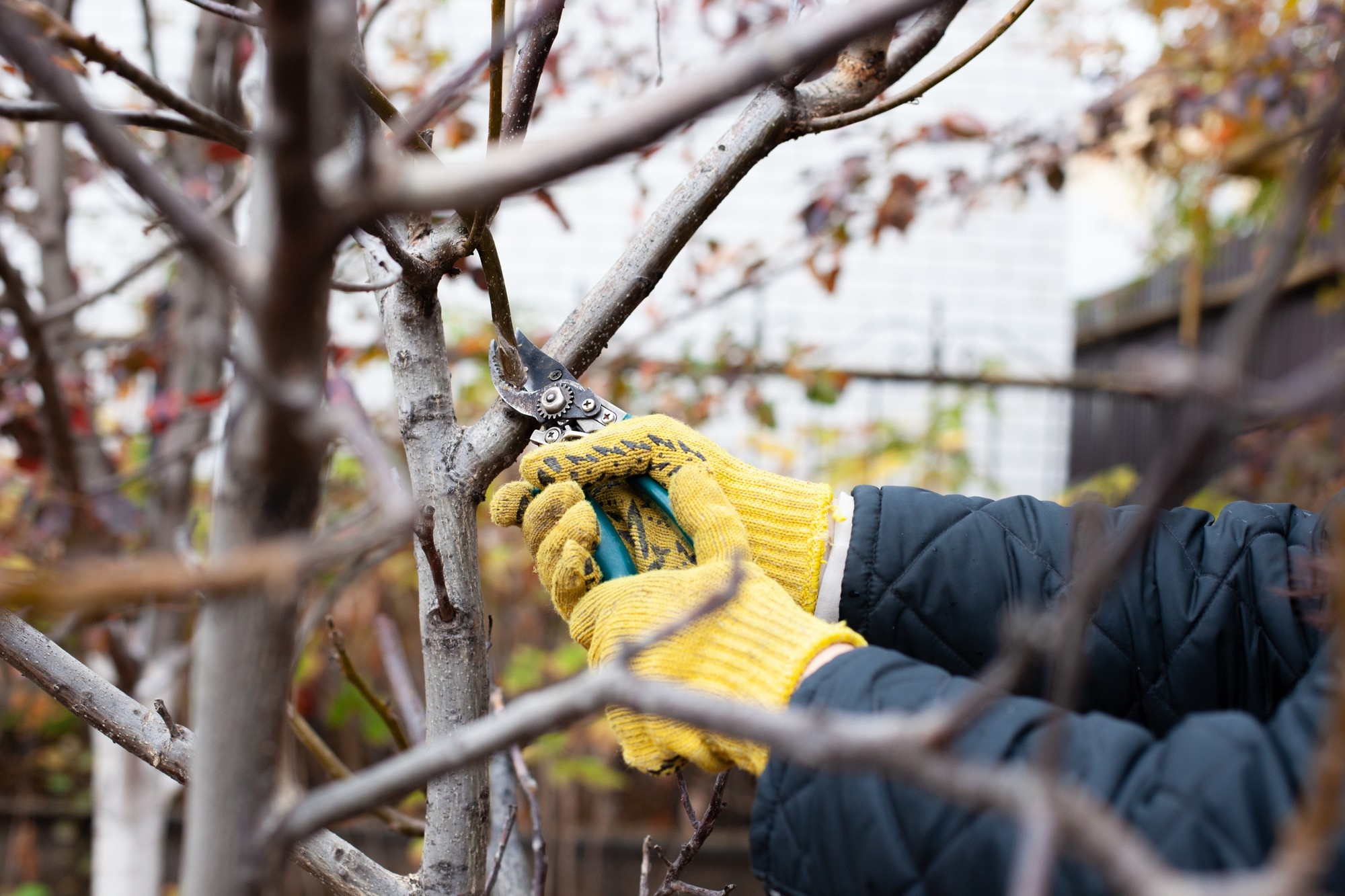
Trees should be managed as part of the property strategy
The smartest property owners do not wait for problems to become obvious. They think ahead. They understand that maintenance is part of protecting capital value, tenant appeal and long-term usability.
Tree maintenance belongs in that same strategic category. It is not simply a gardening issue. It is part of risk management, asset protection and property presentation. Mature trees can be a genuine advantage, but only when they are monitored and maintained properly.
Conclusion
Trees can add beauty, comfort and value to a property, but poor tree maintenance can create hidden risks that owners only notice when the cost becomes unavoidable. Storm damage, root issues, neighbour disputes, safety concerns and emergency repair bills can all stem from a lack of regular oversight.
For property owners, investors and managers, the goal is not to treat trees as problems. It is to manage them as valuable living assets. With better records, regular inspections and more structured maintenance planning, trees can continue to support property value rather than threaten it.