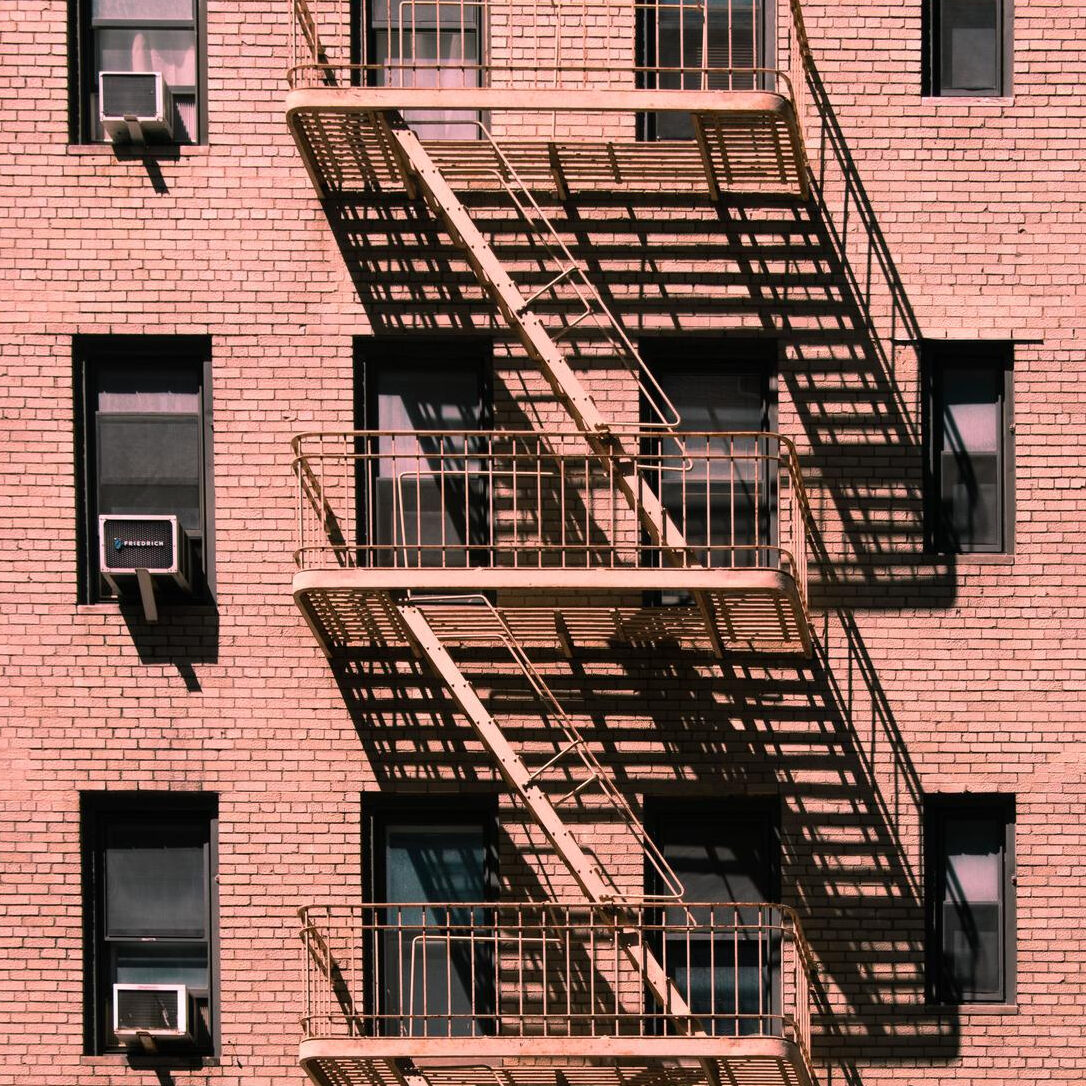
The 1970s may have been known for flamboyant clothing, but their architecture was somewhat less exciting.
In fact, property from that time period could almost be described as quite "bland" – at least from the outside.
Inside, of course, was a different story with the wallpaper often featuring paisley motifs and the floors festooned with shag-pile carpet.
But if there's one thing that 1970s architecture had, it was size.The floor plans of houses were much larger than they are today, in part because construction costs were still relatively affordable, and there was a growing demand for larger homes as many households now had two incomes with more women re-entering the workforce.
And when it comes to apartments from that era, they also were very generous of proportion and were often in premium positions.
Forty years on, you can easily identify apartment blocks from the '70s as they usually are brown or red brick and probably won't win any beauty awards.

Note: These apartments make very solid investments for today's property investors because of a number of significant attributes.

1. Suburb location
In our major capital cities, units from the 1970s are often located in inner suburbs, within seven or so kilometers from the CBD.
What this means for investors is that apartments in these areas are more affordable than houses in these in-demand areas.
They also have strong owner-occupier appeal because of their locations, which means that in the years to come the capital growth of a '70s unit is going to be quite robust as more people want to live in these desirable inner-city locations.
2. Opportunity to add value
Units from this era provide a great opportunity to add value through renovations or refurbishments, which is a key part of Metropole’s Strategic Approach to property investing.
Note: Updating the kitchens and bathrooms, as well as replacing wallpaper with fresh paint, will instantaneously add value and appeal to these apartments.
And if you can get friendly with the other owners, or better yet, buy a whole unit block yourself, you can update the exterior of the complex as well, which can modernise its overall appearance and increase the value of all units significantly.
3. Size
As I mentioned above, 1970s apartments are generally much larger than the units being built today.
Many have interior floor plans of 70 to 80 square meters, ensuring they will always be in strong demand from tenants and owner-occupiers alike.
And they were built more solidly (of double brick) than many apartment blocks are built today.
4. Price and costs
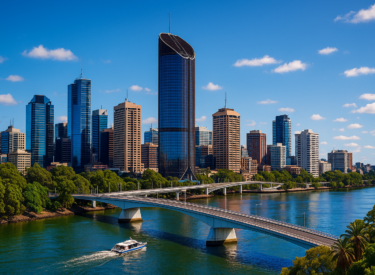
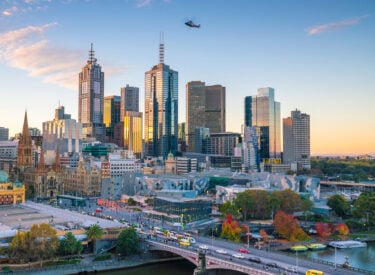
You will find 1970s apartments in some of our most desirable suburbs across the nation – think Elwood in Melbourne, West End in Brisbane, and Randwick in Sydney.
Note: For many investors, buying houses in these locations is out of their financial reach, but most can probably afford to purchase a 40-year-old unit.
These types of apartments are often more affordable than some newer products on the market in these locations.
In other words, you’ll be paying considerably less per square metre, well below their intrinsic value or replacement cost.
Also, the ongoing costs of holding these units can be lower, given that body corporate or owners’ corporation fees are generally less than what you currently pay for newer units.
5. History


You’ll be able to track how they’ve performed over the years as you do your due diligence regarding past sales.
They also have very solid bones – there's a reason they're still standing after 40-plus years after all.
Note: Investing in units from the 1970s represents an opportunity to own an affordable property that has renovation potential in a desirable location and one that is of generous proportions.