

Most property investors spend considerable time analysing suburb growth trends, rental yields, and purchase prices. Far fewer pay serious attention to what happens inside the buildings they own, specifically the electrical systems and HVAC equipment that tenants rely on every single day.
Building systems are not as visible or exciting as capital growth projections. But for investors serious about protecting asset value and maximising long-term returns, understanding what it costs to maintain these systems and what it costs to neglect them is a genuinely important part of the investment equation.

What Does Reactive Maintenance Actually Cost Investors?
The profitability of rental properties is usually estimated on paper without taking into account the fact that buildings do require ongoing costs. The mortgage rates, insurance, and property management charges are all considered. However, what is usually underestimated, especially in the case of commercial buildings and old residential units, is the true cost of reactive maintenance.

Tip: The most common causes of unexpected repair costs include problems with the electrics and HVAC systems. The good news is that both these problems can be avoided proactively. The bad news is that both these problems are often not discovered until a problem occurs.
For commercial buildings, the unexpected malfunction of the HVAC system or any electrical problem may cause serious financial consequences related to leases and insurance.
Why Is Preventive Maintenance an Investment Decision?
There is a tendency among investors managing costs tightly to defer maintenance until it becomes unavoidable. It is an understandable short-term response, but it tends to produce worse financial outcomes over the life of an asset.
Routine HVAC servicing, including filter replacements, coil cleaning, and refrigerant level checks, helps maintain system efficiency and extends operational life. These are standard industry-recommended tasks, not optional extras. Keeping the electrical infrastructure regularly inspected reduces the likelihood of faults that can damage property, disrupt tenants, and create compliance exposure under Australian electrical safety regulations.
Reliable air conditioning or electricity can be vital for potential tenants who are considering renting commercial properties. Regular maintenance is essential not only to safeguard the building but also its revenue from rentals.
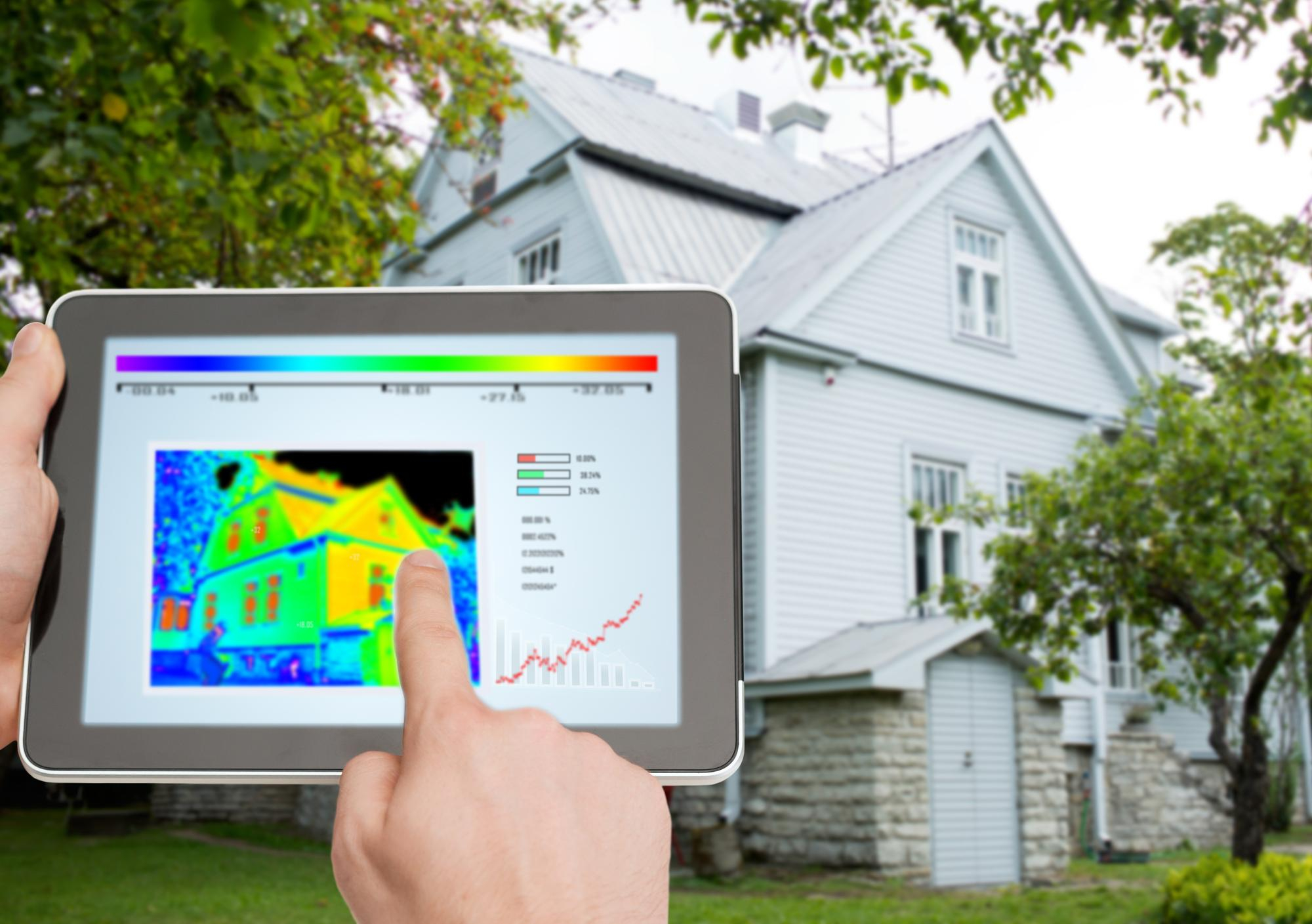
What Do Thermographic Inspections Reveal About Your Electrical Infrastructure?
One area where property investors can gain a meaningful practical advantage is in understanding what is actually happening inside their electrical infrastructure, beyond what a standard visual inspection can show.
Visual checks, whether conducted by a property manager or a general electrician, cannot detect heat buildup inside an energised switchboard. Loose connections, overloaded circuits, and deteriorating components can generate abnormal heat for an extended period before any external sign appears. In serious cases, this represents both an efficiency problem and a fire risk, something that Australian electrical standards and building insurers take seriously.
Thermal scanning of switchboards using infrared thermography allows qualified technicians to identify abnormal temperature variations across live electrical panels without interrupting building operations. It is a non-invasive process that produces documented evidence of the switchboard's condition, useful for maintenance planning, insurance records, and demonstrating electrical compliance.
For investors managing older commercial buildings or larger residential properties, thermographic inspections are a straightforward addition to a regular maintenance schedule and provide a level of visibility that visual-only checks simply cannot match.
- Also read:How to Find Top New Apartment Developments in Melbourne

- Also read:The Impact of Visa Regulations on Property Market Trends in Australia

- Also read:5 Best Real Estate Photo Editing Services of 2024

- Also read:Steel Advantage: The 6 Benefits of Steel Buildings

- Also read:Renovating to Rent? Don’t Skimp on the Skip Bin

How HVAC Performance Affects Tenant Retention and Asset Value
Air conditioning is frequently among the most expensive pieces of equipment in a commercial or residential investment property to replace. It is also one of the factors tenants weigh when deciding whether to lease a space or renew, particularly in the Australian climate, where reliable cooling is a reasonable expectation rather than a luxury.

Note: A system can be technically operational while running at reduced efficiency, consuming more energy than a well-maintained unit would and wearing down mechanical components faster than necessary due to inconsistent servicing.
Properly selected and well-maintained air conditioners matched to the actual load requirements of each space will generally perform more reliably than equipment installed without proper assessment. The sizing question matters more than many investors realise.
An oversized unit short-cycles, which increases mechanical wear and reduces the system's ability to manage humidity effectively. An undersized unit runs for extended periods under load and still struggles during peak summer conditions. Neither outcome serves tenants well, and both increase long-term maintenance costs for the owner.
How Building Maintenance Compares to Other Value-Add Strategies
Property investors regularly consider renovation, subdivision, and development as ways to improve returns. Building systems maintenance rarely gets mentioned in the same conversation, but the comparison is worth making.
A renovated property with an ageing switchboard, unreliable air conditioning, or a history of deferred electrical maintenance carries hidden risks that can offset cosmetic gains quickly through unexpected repair costs or tenant disputes.
Note: Consistent HVAC servicing more often than not extends the useful life of existing equipment significantly, deferring capital expenditure while maintaining performance.
In commercial property, particularly, failure to maintain electrical infrastructure to a reasonable standard carries potential liability exposure under Australian workplace health and safety obligations, affecting investors well beyond the cost of any single repair.
Building systems maintenance does not generate the excitement of a well-timed market purchase. But it consistently delivers returns through reduced costs, extended asset life, and stronger tenant relationships, all of which directly contribute to long-term performance.

Building Maintenance Is Where Long-Term Property Returns Are Won or Lost
Maintenance is usually where profits are quietly lost in property investment, without any big breakdowns or accidents occurring. Rather, the loss occurs over time due to deferred servicing, inefficiency, and small problems that eventually lead to expensive repairs. Under-maintained electrical systems and air conditioning facilities will affect the happiness of your tenants and increase your operational risks, regardless of the financial health of your property.
Wise property investors make sure to take care of their assets by maintaining their buildings properly. The regular servicing of your HVAC systems and electrical maintenance are ways to ensure the longevity of your equipment and reduce costs from inefficiency. In the end, building maintenance will protect your income from rentals as well as the value of your property.