

The Melbourne property market has experienced significant structural shifts over the past few years, forcing investors to completely re-evaluate their wealth creation strategies. Industry data from early 2026 shows that building a new home in Australia costs approximately 47 percent more than pre-pandemic levels. With construction materials and labour premiums reaching new heights, long-term asset planning is more crucial than ever before.
When evaluating the hidden costs of building a house, savvy buyers and property investors are increasingly looking beyond the initial contract price and focusing heavily on total lifecycle returns. The goal is no longer just securing the lowest build cost, but rather creating a highly efficient asset that minimises ongoing holding costs and naturally attracts premium tenants.

The Growing Financial Case for Sustainability
At the centre of this strategic shift is the mandatory 7-star Nationwide House Energy Rating Scheme (NatHERS) standard. Originally viewed by some market commentators as an additional compliance burden, these strict energy efficiency codes are now proving to be a major long-term value generator for both owner-occupiers and property investors alike.
Sustainability has rapidly transitioned from a niche luxury to a mainstream real estate expectation.

Note: According to national property data from late 2025, energy-efficient homes in Melbourne commanded a substantial price premium over standard properties.
This remarkable figure represents the highest green valuation premium of any Australian capital city, highlighting a clear divergence in how the open market prices modern construction.
Furthermore, these modern homes are drawing significantly more attention in the competitive rental and resale markets. Energy-efficient houses currently attract a demonstrably higher volume of property listing views than their non-efficient counterparts. This points to a sustained tenant and buyer preference for comfortable, low-cost living arrangements. In fact, more than half of all Australian houses sold last year explicitly highlighted eco-friendly features in their marketing materials, proving that sustainable additions are major selling points.
Why South East Melbourne Is Leading the Charge
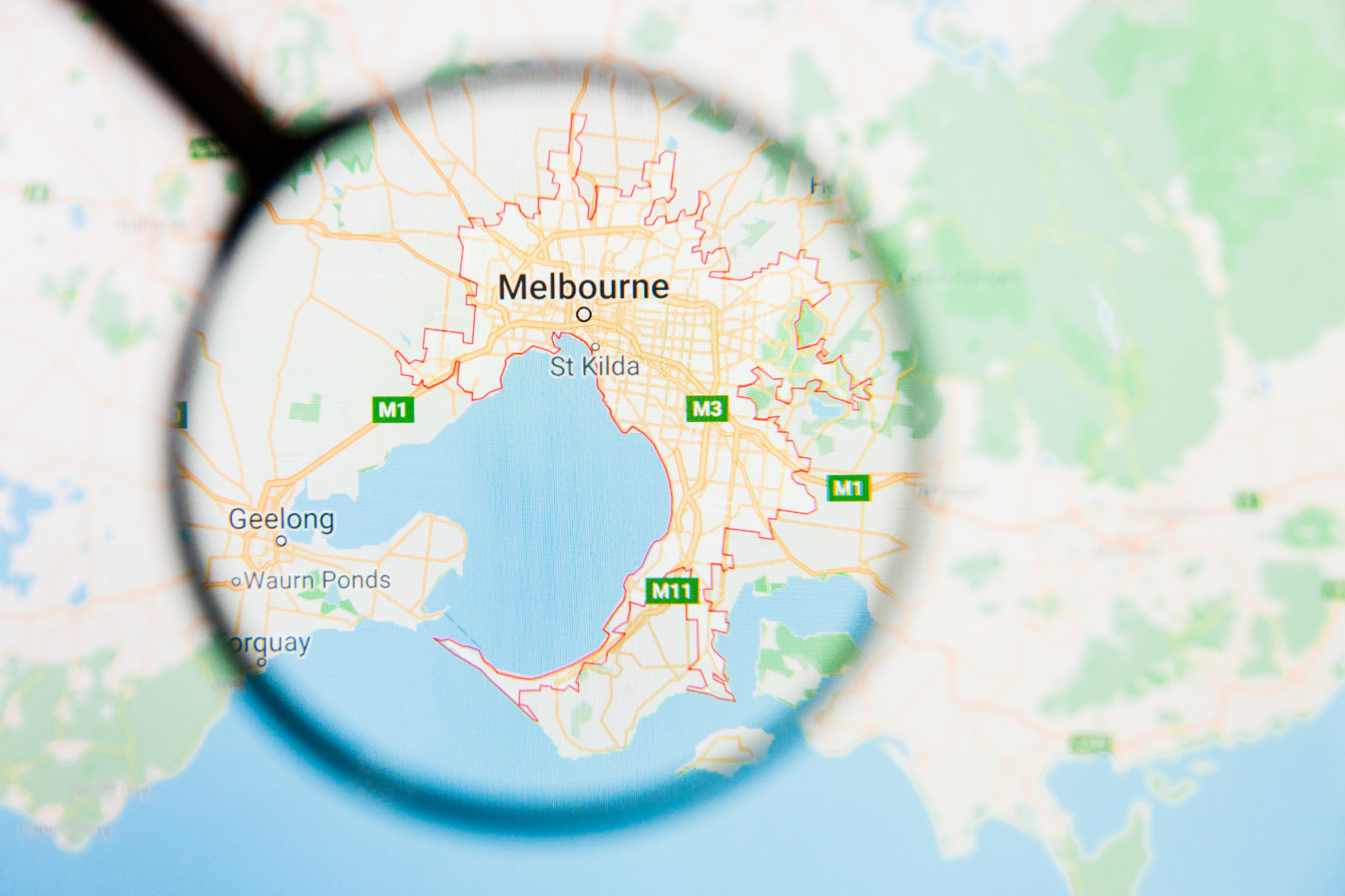
To maximise the return on these sustainable assets, investors are focusing on strategic geographic regions with strong fundamental growth drivers. Demographic forecasting indicates that the South East Melbourne region will absorb a massive proportion of Victoria's total population growth between 2021 and 2046. This massive expansion is projected to push the local population to well over one million residents in the coming decades, creating extraordinary housing demand.
- Also read:How to Find Top New Apartment Developments in Melbourne

- Also read:The Impact of Visa Regulations on Property Market Trends in Australia

- Also read:5 Best Real Estate Photo Editing Services of 2024

- Also read:Steel Advantage: The 6 Benefits of Steel Buildings

- Also read:Renovating to Rent? Don’t Skimp on the Skip Bin

Astute buyers evaluating New home and land packages in South East Melbourne are discovering that local builders are successfully delivering highly sustainable, investment-grade housing. These modern estates perfectly balance strict new building standards with buyer affordability, ensuring that investors do not overcapitalise on their initial purchases. Some pioneering regional developers are even introducing Zero Net Carbon homes to the local market, setting a new benchmark for suburban development.
Several key factors are driving this exceptional regional performance and protecting long-term valuations for new builds:
- Rapid Population Surges: Master-planned suburbs are recognised as extreme growth hotspots, with some precincts projecting a population surge of nearly 200 percent by 2046.
- Strong Rental Yields: Growth corridors are generating robust gross rental yields, largely driven by an influx of young families seeking space, active communities, and modern amenities.
- Infrastructure Investment: Major regional upgrades, including new rail stations, expanded retail hubs, and comprehensive precinct structure planning by local councils, are directly improving suburban liveability.
- Severe Supply Constraints: With new dwelling construction volumes remaining historically low across Victoria, a structural supply shortage actively protects the capital growth and rental demand of compliant new homes.
How Operational Savings Offset Upfront Costs
Real estate analysts note an emerging market trend of brown discounts across the broader housing sector. Older, poorly insulated established properties are beginning to face reduced valuations and weaker rental demand.
Note: As tenants become much more conscious of rising utility bills, older homes often require costly retrofitting just to remain competitive against highly rated new builds.
Conversely, industry groups estimate that upgrading a new Victorian home to the mandatory 7-star minimum adds a marginal increase to upfront construction costs. However, official government modelling confirms this capital expense is comprehensively offset by lifetime operational net benefits. Homes built to the current 7-star standard require significantly less energy for mechanical heating and cooling compared to older properties built to the previous 6-star baseline.
The financial upside becomes even clearer when integrating modern electrical systems into the initial build. Households that combine solar panels with an energy-efficient heat pump achieve remarkable ongoing financial relief. Official factsheets outline the tangible benefits of these modern building standards, with official state estimates showing households saving up to $1,473 each year in electricity costs. Lower energy requirements directly translate to higher disposable income for owner-occupiers and significantly better long-term rentability for investors.
Looking Forward
The era of viewing energy efficiency as merely a sunk cost is officially over. Today, modern building codes act as a powerful catalyst for property value appreciation, yield generation, and tenant retention. By targeting high-growth corridors and embracing the undeniable financial benefits of sustainable construction, Melbourne property investors can secure robust returns and completely future-proof their portfolios against rising utility costs and shifting market preferences.