


Key takeaways
Wealth is rarely built quickly. It’s the result of holding growth assets for decades and letting compounding do the heavy lifting. The real advantage isn’t higher returns — it’s earning the same returns on a much larger asset base over time.
The wealthy use leverage strategically, not emotionally. They don’t fear debt; they manage it.
Serious wealth builders don’t go it alone. Accountants, property strategists, finance brokers and solicitors aren’t costs; they’re multipliers. Good advice compounds just like money, while bad or noisy advice is quietly ignored.
For most wealthy Australians, property — often starting with the family home — is the engine room. Tax-free capital growth, leverage, and the ability to recycle equity make it uniquely powerful, even for those who later diversify into other assets.
Wealthy people focus on assets over income, think in decades not months, and play a patient, disciplined game. The advantage isn’t privilege or luck — it’s knowledge, positioning, and consistency.
Have you ever noticed how some people just seem to pull further ahead, year after year, while others work just as hard but barely move forward?
It’s easy to shrug and mutter, “the rich get richer,” as if it’s some mysterious force beyond our control. But once you strip away the jargon and myths, what’s really going on is surprisingly logical - and, more importantly, repeatable.
The truth is, wealthy Australians aren’t playing a different game. They’re just playing the same game differently.
So let’s look at what actually drives wealth accumulation, why it feels so unfair to many, and what lessons savvy investors quietly apply.

1. Time and compound growth do the heavy lifting
One reason you don’t see many genuinely wealthy 25-year-olds is simple: wealth takes time.
Compound growth rewards patience.
The bigger your asset base, the bigger your dollar gains, even if the percentage return is exactly the same. That’s the part many people intellectually understand but emotionally underestimate.
A modest asset compounding steadily over decades becomes substantial. A large asset compounding becomes transformative.
This is why property has been such a powerful wealth builder in Australia.
When values rise 7, 8 or even 10 percent a year, the gain on a million-dollar asset is vastly different to the gain on a $300,000 one. The wealthy don’t necessarily earn better returns - they earn returns on larger bases.
And once compounding kicks in, the gap widens almost automatically.
2. The smart use of “other people’s money”
Most people are taught to fear debt. Wealthy investors learn to control it.
The wealthy understand the power of leverage - using borrowed money to acquire growth assets.
This isn’t reckless borrowing; it’s strategic debt backed by income and assets that grow over time.
This is one reason property plays such a central role in Australian wealth creation.
Very few other asset classes allow everyday investors to control a high-value asset with a relatively small upfront contribution.
The wealthy also leverage more than just money. They leverage experience, relationships, advice, and opportunity.
They understand that who you know and who you listen to matters - but they also know you don’t need to be a natural networker if you build the right professional team around you.
3. They don’t do it alone
One of the biggest myths is that successful investors are lone wolves who figured everything out themselves.
In reality, most wealthy Australians surround themselves with specialists. Accountants, property strategists, solicitors, finance brokers, and estate planners aren’t expenses to them - they’re force multipliers.
- Also read:This week’s Australian Property Market Update – Latest Data, State by State October 13th 2026

- Also read:Latest Property Price Forecasts. Australian Property Market Outlook 2026-2027: Navigating a Market Correction

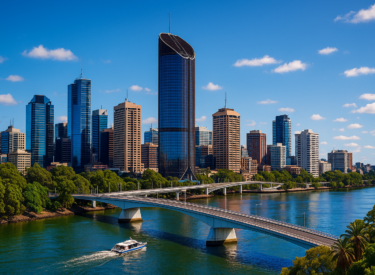
- Also read:Brisbane Property Market Forecast [2026 & Beyond] – What The Olympics Decade Means for Investors.
- Also read:Sydney property market forecast for 2026 and 2027 | Why the short-term softness is a long-term opportunity

- Also read:Melbourne property market forecast for 2026 & 2027 | Separating the fundamentals from the sentiment

Yes, parts of the advice industry have deserved criticism over the years.
But that doesn’t change the underlying truth: good advice, applied consistently, compounds just like money does.
For people earlier in their wealth creation journey, this doesn’t mean assembling an expensive team overnight.
It means investing time in education, learning how money really works, and being very selective about who you take advice from.
The internet is full of noise, spruikers and shortcuts. The wealthy quietly avoid all three.
4. Property is the common denominator
There’s a reason almost every wealthy Australian owns property.
Even those who’ve made their fortunes in business or shares tend to hold real estate, usually starting with their own home. Not just because it provides shelter, but because owner-occupied housing delivers something unique: tax-free capital growth.
That equity then becomes a springboard. It can be accessed, leveraged, and redeployed into other investments.
Property becomes the engine room, not the end goal.
Yes, today’s housing market is challenging, especially for first-time buyers.
But that doesn’t change the long-term reality. Property ownership remains one of the most reliable ways Australians build and hold wealth across generations.
The wealthy understand this. They don’t wait for perfect conditions. They plan, act strategically, and adapt as markets change.
The part no one likes to say out loud
Now here’s the uncomfortable truth.
The rich don’t get richer because they’re luckier, smarter, or more deserving. They get richer because they understand how “the system “works, and they position themselves accordingly.
They focus on assets, not just income. They think in decades, not months. They let compounding do the work instead of constantly chasing the next idea.
And while policy settings, tax structures and asset inflation certainly help those who already own assets, the principles themselves are available to anyone willing to learn, plan and act with discipline.
Final thought
“Wealth” isn’t about flashy lifestyles or overnight success. It’s about quiet decisions made consistently over time.
The real divide isn’t between the rich and the poor. It’s between those who understand how wealth is created and those who never get taught the rules.
Once you see that clearly, the phrase “the rich get richer” stops sounding like a complaint - and starts sounding like a clue.