
When you ask ten homeowners for the reasons behind their renovation efforts, you often hear about two categories of responses. The first set of people wanted to add value to the property before selling it. The second set simply wanted the space to be nicer for living. The improvements that make sense to undertake are those that achieve both at the same time.
The monetary gain is more popular since it involves tangible benefits; however, comfort is equally important and is the one you experience daily: rooms maintaining temperature, water from taps tasting right, a cozy morning when you feel no cold floors under your feet. These can be permanent improvements that go into your home or changeable features that adapt to your needs. Both approaches are equally valid.
Now, here is the list of upgrades that pay off in both ways.

Start with how the home uses energy
Heating and cooling are among the biggest running costs in most Australian homes, which makes energy efficiency one of the first places worth looking at. The appeal is simple. A more efficient home costs less to run and holds a steadier temperature, so you stay comfortable without constantly reaching for the thermostat.
The changes here run from small to structural. Sealing draughts around doors and windows is cheap and quick. Upgrading to an efficient reverse-cycle system is a bigger job with a longer payback. Zoning, so you only heat or cool the rooms in use, sits somewhere in between. None of it is glamorous. All of it shows up on the power bill.
Insulation: the upgrade you never see
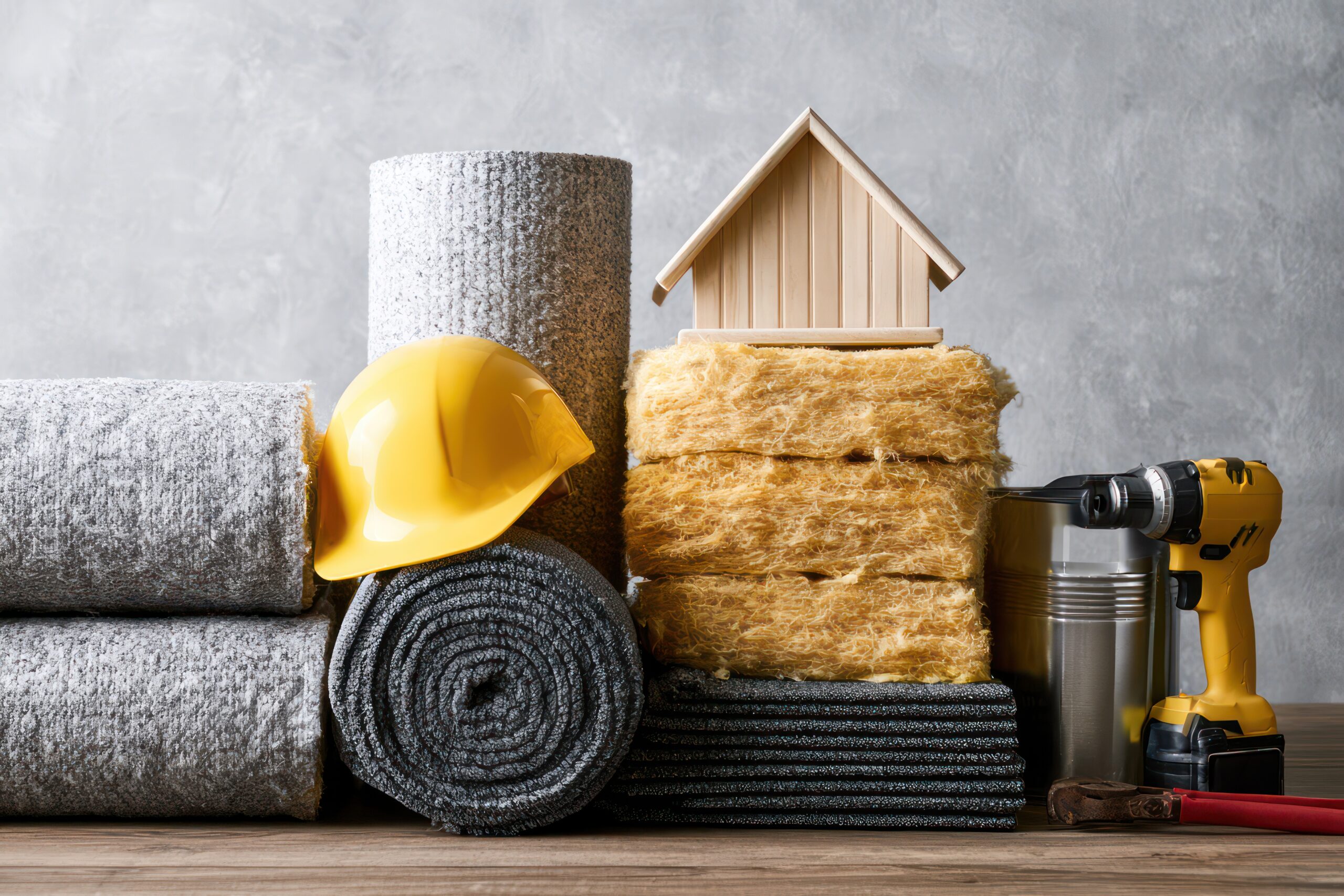
Insulation is easy to ignore, because once it is in, you cannot see it. You feel it, though. A well-insulated ceiling and wall system keeps warmth in through winter and out through summer, which takes the pressure off whatever heating and cooling you already have.
It is one of the more permanent upgrades on this list. Once it is in the roof or walls, it stays with the house and keeps working, with no maintenance and no running cost. For a change you will rarely think about again, it does a lot of quiet work.
Small fixtures, surprising difference
Not every worthwhile upgrade is a big project. Swapping dated tapware, changing old downlights for LEDs, or fitting a water-efficient showerhead can change how a room feels and functions without the disruption of a full renovation.
Fixtures are also where "modern" is most visible to a buyer down the track. Clean, current tapware and lighting read as a home that has been looked after. The nice part is that these updates serve you first, day to day, and help resale as a side effect rather than the whole point.
Do not forget the air inside
Indoor air quality is one of the less obvious parts of living well at home, and one of the easiest to overlook. Everyday life generates moisture, cooking smells, dust, and the odd bit of off-gassing from new furnishings. Without decent ventilation, that all lingers.
- Also read:How to Find Top New Apartment Developments in Melbourne

- Also read:The Impact of Visa Regulations on Property Market Trends in Australia

- Also read:5 Best Real Estate Photo Editing Services of 2024

- Also read:Steel Advantage: The 6 Benefits of Steel Buildings

- Also read:Renovating to Rent? Don’t Skimp on the Skip Bin

A few simple things help. Working extraction fans in the kitchen and bathroom. Managing humidity so mould never gets a foothold. Choosing lower-emission paints and materials when you are updating anyway. The payoff will not show up on a valuation. It shows up as a home that simply feels fresher to be in.
Better water throughout the home
Water quality is another upgrade plenty of households come around to, often once they notice the taste, the smell of chlorine, or the scale building up on the kettle and shower screen. The appeal is not only about what you drink. It is about the water you cook with, bathe in, and run through your appliances.
This is where the permanent-versus-flexible split shows up most clearly.

Tip: One long-term approach is installing a home water filtration system that treats water as it enters the property, rather than relying on a filter jug or a single filtered tap.
Because it works at the point where water comes into the house, filtered water is available everywhere, from the kitchen through to the laundry. As a built-in feature, it also becomes part of what the property offers whoever owns it next.
When flexibility matters more than permanence
A permanent system suits some households and not others. Not everyone is in a position to change the plumbing, and not everyone wants to.
Renters cannot modify a property they do not own. Families mid-renovation may not want to commit to fittings while the layout is still moving. Someone simply testing whether better water is worth it might prefer to start small. For situations like these, water delivery in Sydney services provide ready-to-drink water without touching the home's plumbing, which keeps the option open without locking anything in.
Neither route is the "right" one. They answer the same want: better water at home, from opposite directions. One is built into the house for the long haul. The other stays flexible enough to change with your circumstances.
Choosing what actually fits your home
The thread running through all of this is that the best upgrades are the ones matched to how you live, not to a generic checklist of what adds value.
A young family, a downsizing couple, and an investor holding a rental will each weigh comfort, cost, and permanence differently. Some will favour the changes that lock in and lift the property's long-term value. Others will lean toward flexible solutions they can adjust later or take with them when they move.
So the useful question is not "what adds the most value." It is "what will make this home better to live in, starting now, and hold that benefit over time." The upgrades that clear both bars are the ones worth doing first.