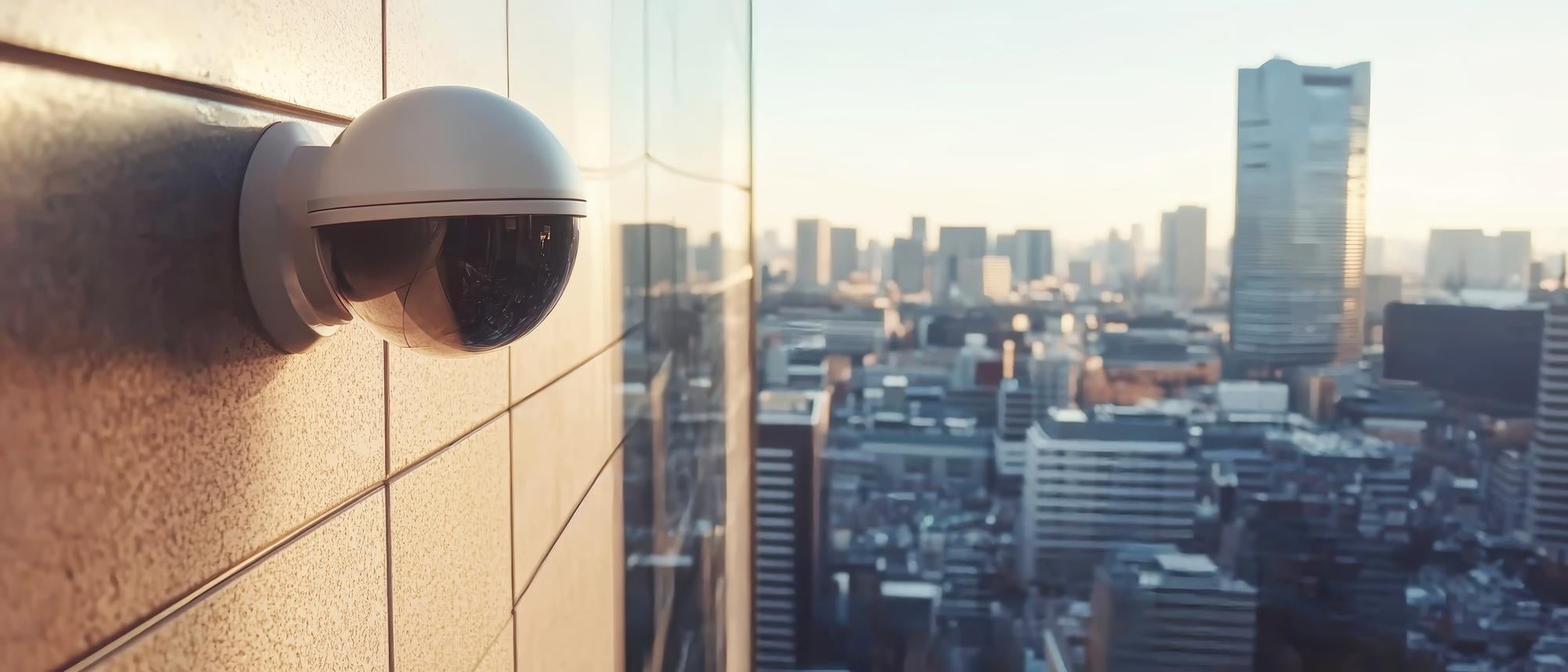
With residential break-ins and vehicle theft on the rise, Australian homeowners, tenants, and investors are reassessing their security needs. A 2024 survey found that 41% of households had taken additional precautions in the past year, and one in five had installed security cameras specifically to deter property crime.
While figures vary across the country, and each region faces its own risks, an overall fear of crime still permeates Australia and much of the world. Perception is a powerful force, capable of driving market shifts, behavioural changes, and consumer decision-making, underscoring the need for visible measures that address real-world issues and comfort existing and potential tenants.
Investors need to understand these fears and complex socioeconomic issues to succeed in property investment. Modern security features underpin operational safety, and this guide will explore how they enhance tenant satisfaction and protect long-term asset value.
Why security matters in apartment buildings
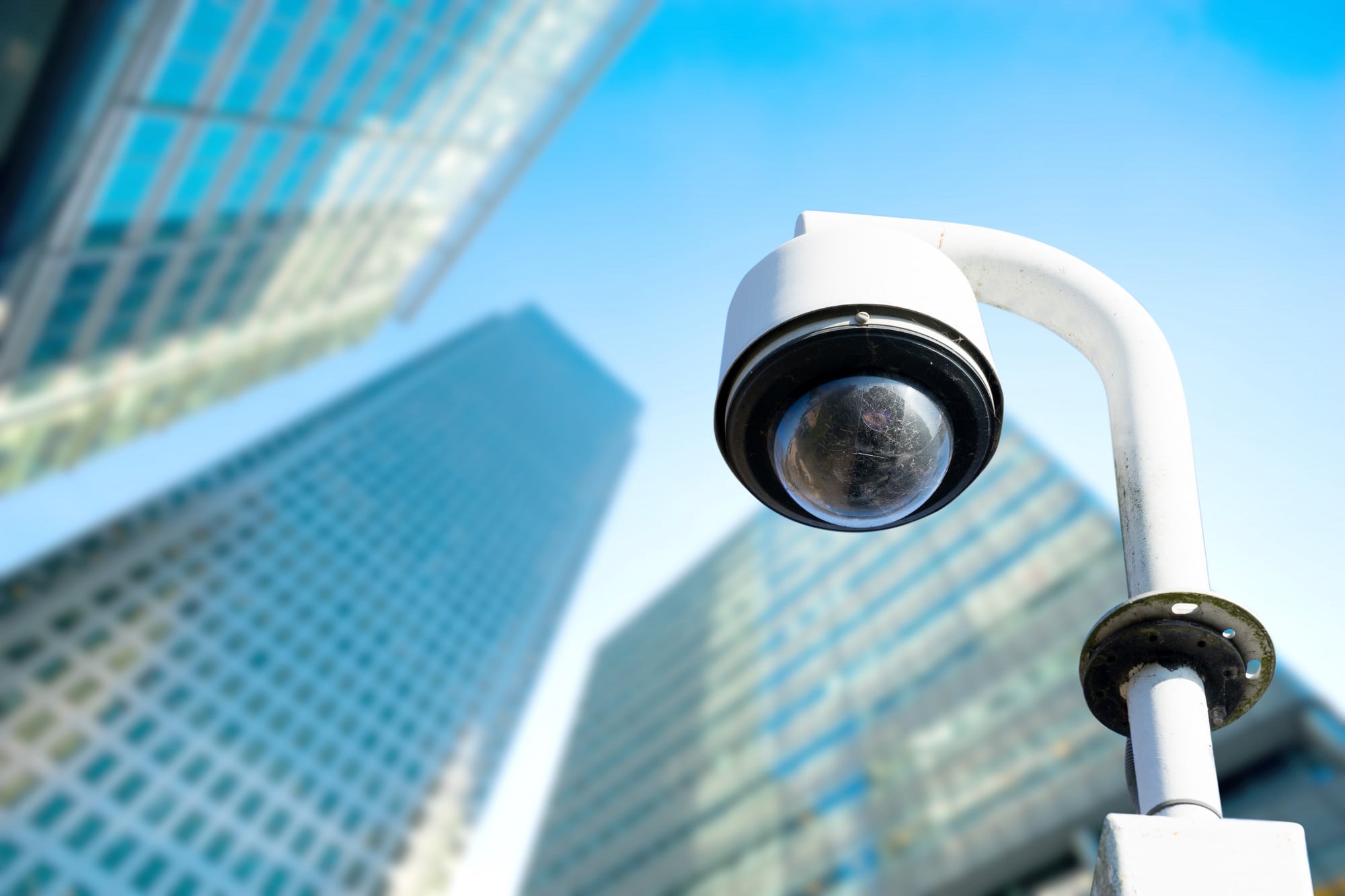
Investors often overlook the vital role security plays in apartment buildings. Unlike detached housing, apartments rely heavily on shared spaces, such as storage areas, entryways, lifts, car parks and lobbies. These communal locations can increase exposure to opportunistic crime and leave residents dissatisfied if they don’t feel adequately monitored.
From the perspective of property investors, a lack of security creates a combination of financial, operational and reputational risks, including:
- Operating and repair costs
Break-ins, vandalism, and unauthorised access can lead to frequent repairs and insurance claims, which in turn raise premiums over time.
- Higher tenant turnover
A lack of security may not prompt tenants to leave immediately, but it does make them less likely to renew their leases, increasing vacancy periods and reletting costs.
- Reduced appeal

Note: As safety concerns continue to rise, buildings perceived as insecure may struggle to compete with nearby developments that offer more robust security features.
Visible modern security measures affect a property's perception. This can translate into stronger tenant demand and increased retention, protecting owners and investors from periods of market uncertainty by creating a resilient cash flow.
Security should not be seen as a sunk cost or compliance mandate. When implemented intelligently and driven by data, it becomes a strategic asset that creates value and helps build sustainable success.
Enhancing appeal for tenants and buyers
Though security is a risk management issue, it also plays a significant role in how prospective tenants and buyers perceive a property. In any competitive market, those who craft the most cohesive narrative are best positioned to close, and 360-degree security cameras provide a key differentiator for your property.
Modern security infrastructure contributes to appeal in several practical ways:
- Increased sense of personal safety
Two of the most common reasons for moving property are family expansion and job relocation. Parents want to feel comfortable walking their children around a building perimeter, and workers want to feel safe when their routines involve coming and going during darker hours. Well-lit common areas with apparent camera systems offer a sense of safety that appeals to all demographics.
- Stronger first impressions
Potential tenants can make decisions quickly. While the unit itself plays a significant role, the presentation and safety of communal areas also factor into the final sale. Secure areas and modern cameras convey a sense that the property is actively and responsibly managed, building trust in the lead-up to their decision.
- Reduced friction during leasing
Note: Security questions often arise during inspections and follow-ups. Having robust measures in place enables agents to address these issues with confidence immediately and address concerns, streamlining the decision-making process.
- Also read:How to Find Top New Apartment Developments in Melbourne

- Also read:The Impact of Visa Regulations on Property Market Trends in Australia

- Also read:5 Best Real Estate Photo Editing Services of 2024

- Also read:Steel Advantage: The 6 Benefits of Steel Buildings

- Also read:Renovating to Rent? Don’t Skimp on the Skip Bin

These factors are directly tied to perception and, thus, to the financial performance of your properties. Areas that feel safe tend to experience lower vacancy rates and more consistent demand. This is particularly important in inner-city and high-density areas, where shared spaces are an accepted reality in the rental market.
Operational and financial benefits for owners
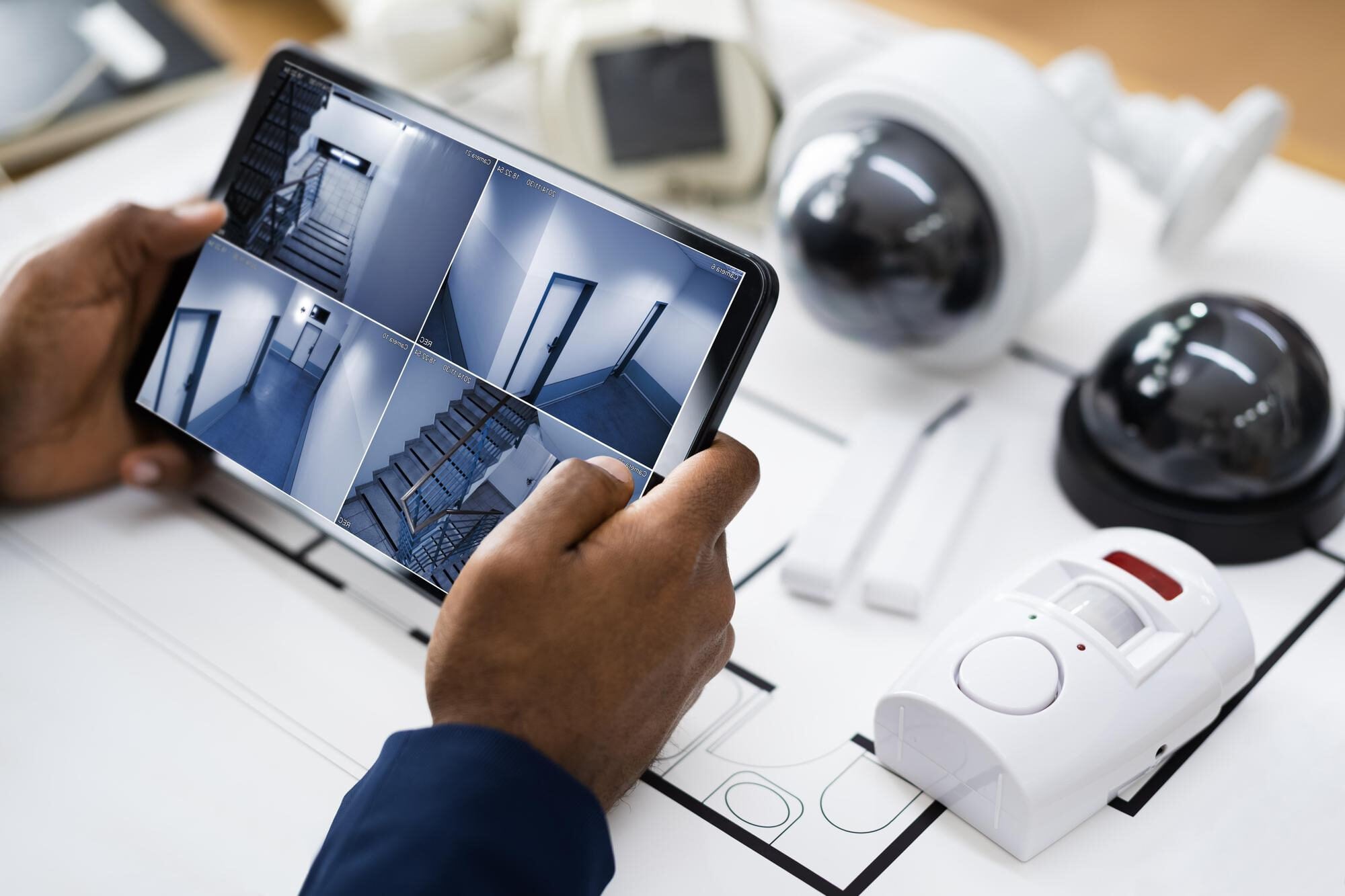
Note: Modern security systems offer tangible advantages for owners and building managers. When implemented intentionally, these features support more efficient security operations and better long-term cost control.
Some of these benefits include:
- Reduced infrastructure and installation costs
Modern security technologies, such as 360-degree cameras, cover wider areas than traditional cameras would, enabling the same level of visibility with fewer cameras. This lowers the upfront costs associated with wiring and installation.
- Lowered maintenance costs
Fewer devices mean less repairs and potential points of failure. This reduces long-term maintenance costs without sacrificing operational efficiency.
- More efficient use of building management resources
Beyond enabling more effective safeguarding solutions, modern security features can also be a significant productivity boon. Centralised management platforms consolidate visibility and automate alerts around pre-defined parameters. Security staff benefit from reduced administrative work and have more time for proactive asset management.
- Potential insurance advantages
While results may vary, insurers generally have a favourable view of well-secured buildings. Having extensive documentation of your security measures can support your case in claims and potentially reduce future premium reviews.

Tip: Efficiency is a goal worth pursuing in the complex world of property management. Lower operating costs, proactive protection of common areas and reduced risk of disruption all contribute to streamlined incident response while preserving the value of the underlying asset.
Privacy and transparency
Security cameras are subject to Australian privacy laws surrounding appropriate placement, data retention and transparency. As such, cameras should be deployed responsibly, focusing on common areas rather than locations where tenants have a reasonable expectation of privacy.
Modern security systems are built with compliance in mind, offering controlled access to recorded footage, defined retention periods and clear audit trails. It’s legally and ethically required to inform residents where they are being recorded and how the footage is stored and used, giving them peace of mind that site security does not overreach.
The case for 360-degree cameras in apartment building safety
Security strategy must address two factors: the practical and the perceived. Core to both is visibility, which provides actionable insights into activity on your site and reassures current and prospective tenants that their safety is taken seriously.
360-degree cameras enable managers to simplify their security infrastructure and support safer common areas without unnecessary complexity or cost. Owners and investors looking to adapt to emerging concerns can leverage this opportunity to appeal to buyers, lower turnover, and generate consistent revenue.