
Investors love an older weatherboard in a good Melbourne suburb, and for good reason. The land is often the asset. But the house still has to stand up, and the part most buyers never see is what it stands on.
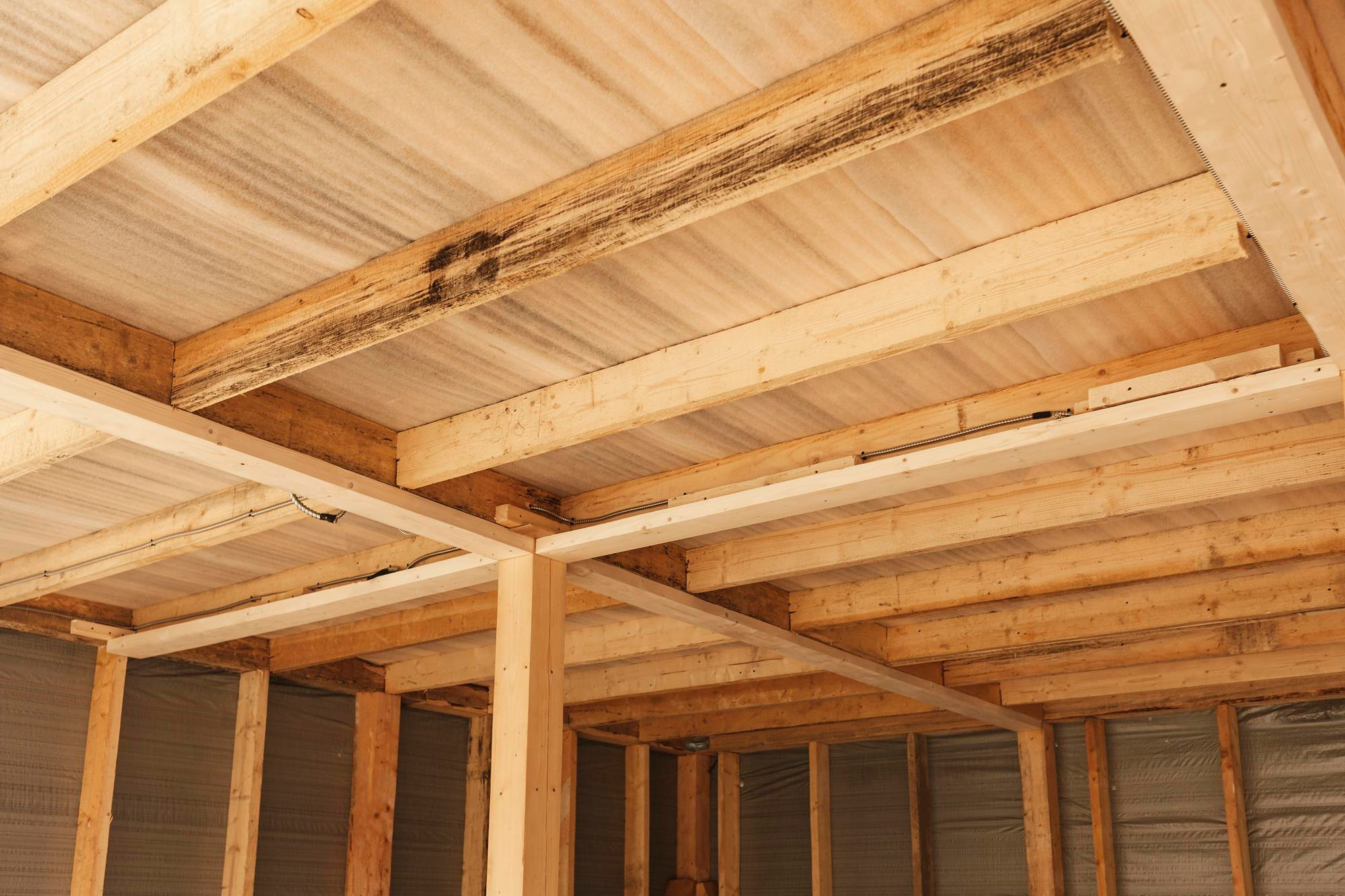
A lot of Melbourne's pre-1960s houses sit on their first timber stumps. Timber in damp ground rots, and termites go for it. Much of Melbourne is also on clay that swells when it's wet and shrinks when it's dry, so the stumps move a little every year. After sixty or seventy years, that movement shows up in the house.
Here's what I'd check before you commit.

Read the subfloor part of the building report. A pre-purchase building inspection should include the subfloor. If the report says the inspector "could not access" it, that's a gap, not a pass. Ask them to come back once there's a way in, or ask the agent whether there's another access point.
Look for the signs inside the house. At the opening, walk the hallway and feel for dips or bounce. Open and close the doors: ones that catch at the top or won't latch are a hint the frames have moved. Look above door frames and at window corners for cracks that run on an angle, and look along the skirting boards for gaps above the floor.
Look at what's holding it up, if you can. With a torch at the subfloor access, look for stumps that lean, look soft or crumbly where they meet the ground, or have a stack of packers jammed on top. Packers usually mean someone has been chasing a sinking floor for years.
- Also read:How to Find Top New Apartment Developments in Melbourne

- Also read:The Impact of Visa Regulations on Property Market Trends in Australia

- Also read:5 Best Real Estate Photo Editing Services of 2024

- Also read:Steel Advantage: The 6 Benefits of Steel Buildings

- Also read:Renovating to Rent? Don’t Skimp on the Skip Bin

Check where the water goes. If the ground under the house is damp, or the downpipes empty onto the garden near the walls, the stumps have been sitting wet. That speeds everything up.
Get the work priced before the deal is done. If the report or your own look turns up stump problems, get a restumper to inspect and quote before you're locked in. For a private sale in Victoria, you usually have a three-business-day cooling-off period. At auction, you don't have one, so do it before auction day. A quote turns "some movement noted" into a number you can negotiate with or walk away from.
Ask the right questions of whoever quotes. Ask them to check the stumps, the floor and the ground under the house before they price it. In Victoria, restumping needs a building permit, so ask whether the permit is in the price. Ask what the new stumps will be made of, how deep the footings go, and whether they'll re-level the floor as part of the job.
Think about the tenants too. A sloping floor or doors that won't shut are the kind of thing that turns into repair requests and unhappy tenants. Fixing the stumps before the first lease usually costs less disruption than fixing them around someone living there.

Note: None of this means you should walk away from an older house. Plenty of stump problems are small, and a house that's been restumped properly can be good for decades. The point is to know before you buy, so the price you pay already allows for it.
Daniel works with Restumping Underpinning, which restumps and underpins houses across Melbourne.