

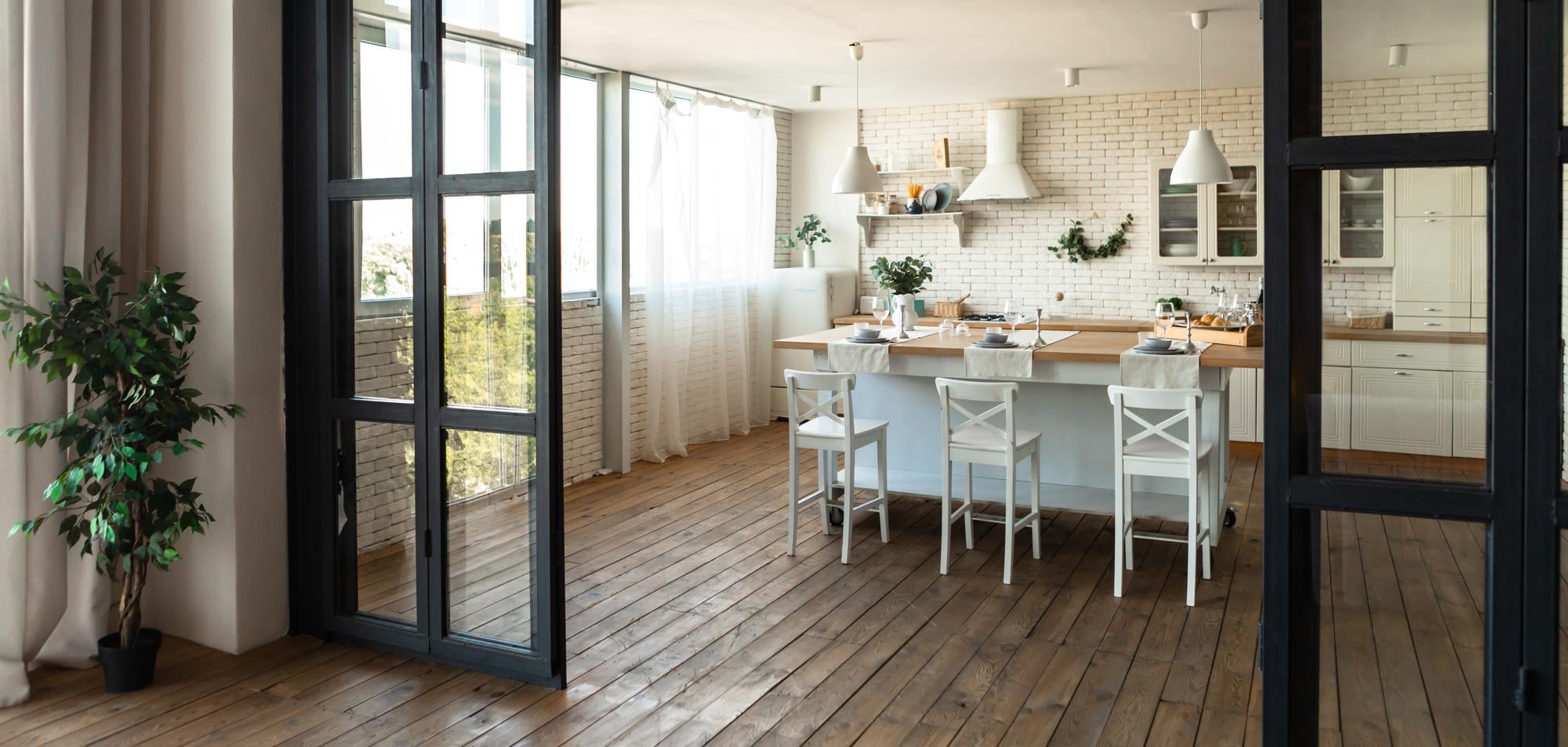
Planning the dining room comes last. The table arrives from one trip, the chairs from another, and the wall behind both stays untouched for months. By the time the rest of the house comes together, and the budget runs out, the dining room is the last priority.
Australia's furniture retail sector reached $12.6 billion in 2025, per IBISWorld's Furniture Retailing in Australia report. ABS data cited in that report shows spending on furniture rose 2.7% in the year to June 2025. The dining room rarely earns a proportionate share of that spending, and what follows argues it should.
Why most dining rooms feel unfinished
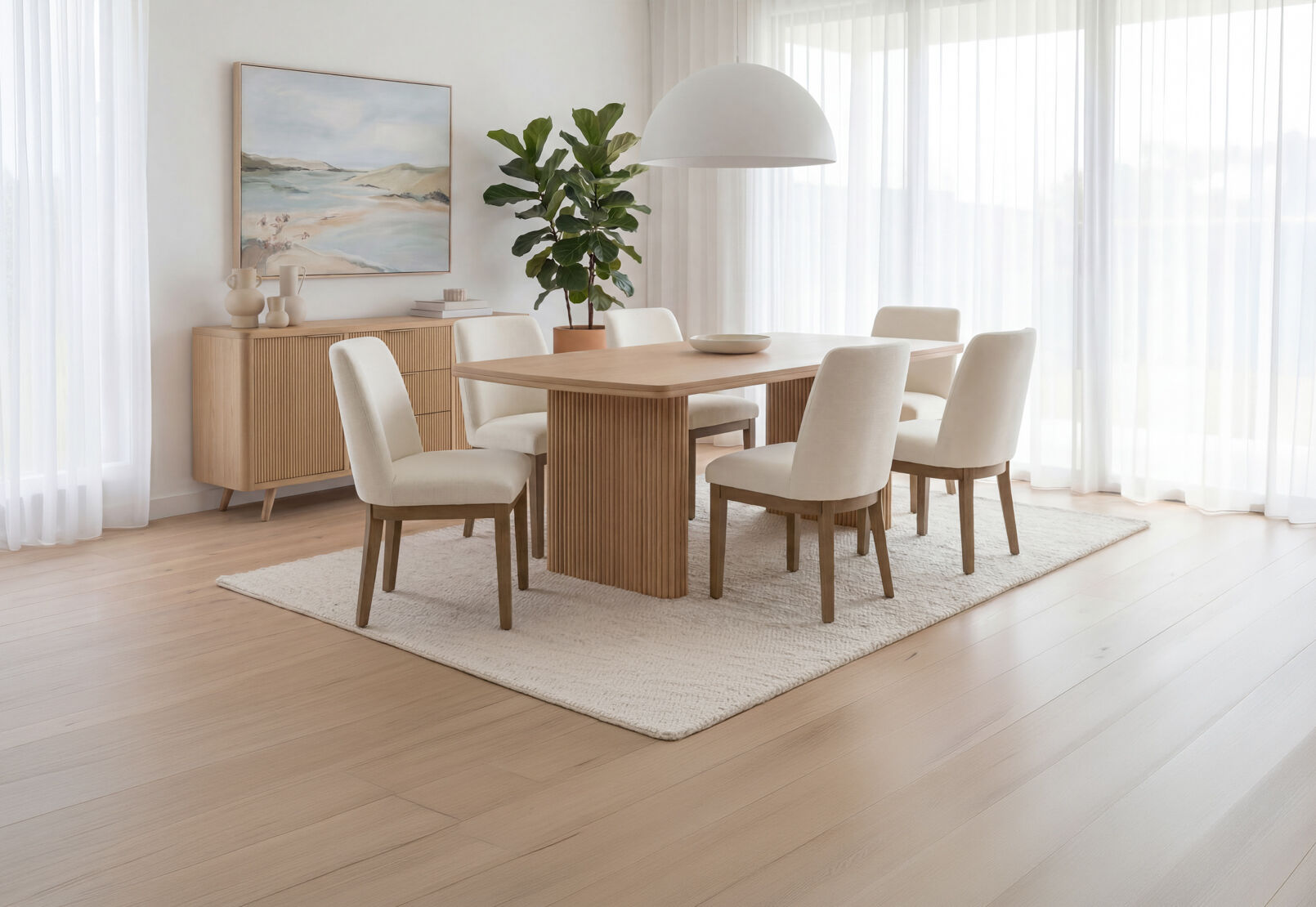
The dining room sits at the end of most planning sequences. The table arrives first, and the chairs follow weeks later, with the wall behind both rarely resolving into something considered. For that reason, Amart, one of Australia's largest furniture retailers, stocks a dining room furniture collection built to cover the whole layout.
What most buyers get wrong about dining table size

Note: The table is the first decision in that layout, and size is the variable most buyers consistently underestimate.
Standard dining tables run 74 to 76 centimetres high, with chair seats sitting 25 to 30 centimetres below that. Shape is a separate question from size.
Ninety centimetres of clearance between chair backs and any wall is the minimum for a room that stays navigable when full. A table running two-thirds the wall width holds proportion better than a shorter piece. The range of dining room tables in different sizes and shapes makes comparing those numbers a practical step before committing.
Chairs matter as much as the table
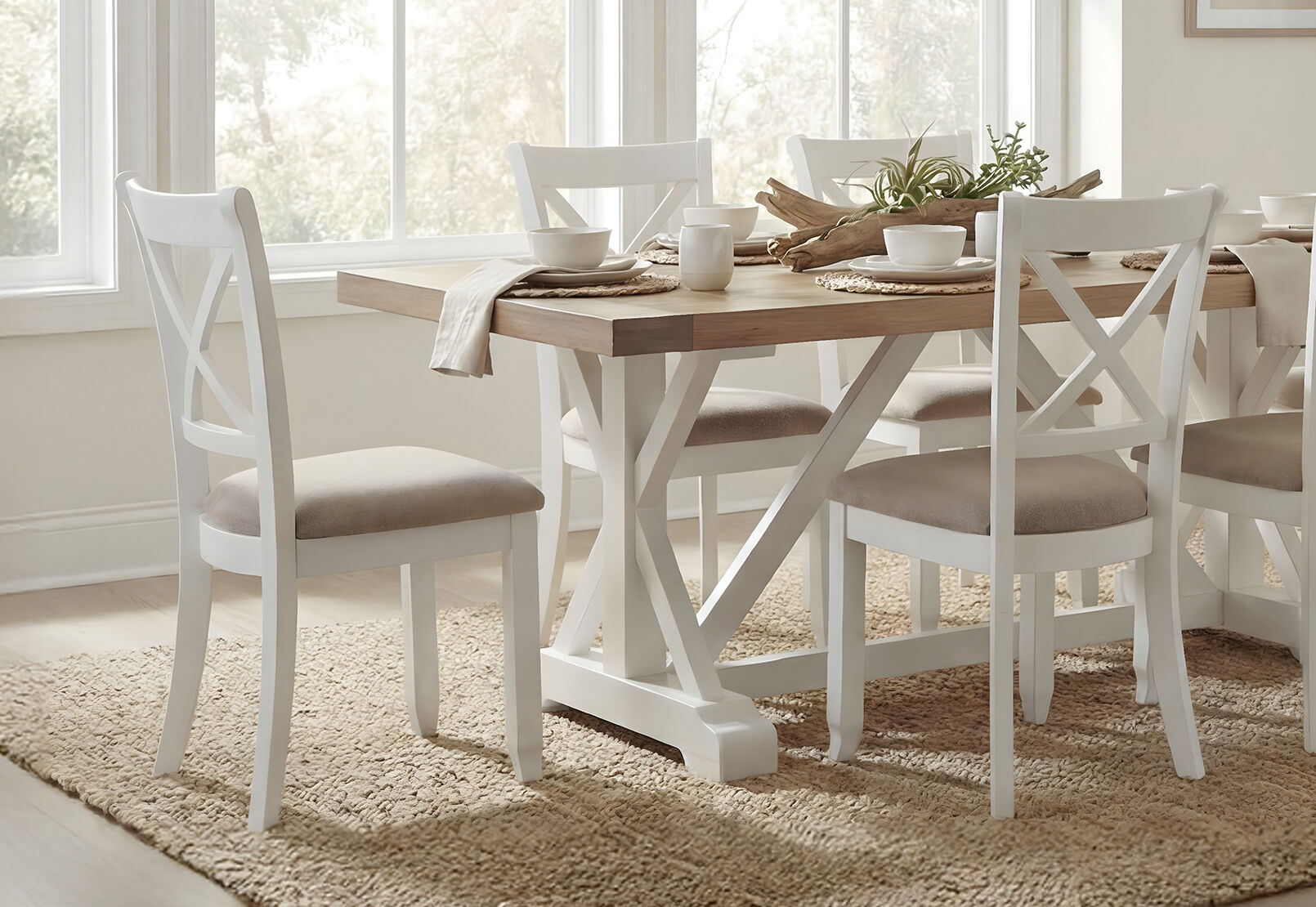
Upholstery on dining room chairs typically shows meaningful wear within seven to ten years of regular use. Solid timber frames without upholstery last considerably longer, though not indefinitely. Amart backs selected dining chairs with a warranty of up to 15 years.
- Also read:How to Find Top New Apartment Developments in Melbourne

- Also read:The Impact of Visa Regulations on Property Market Trends in Australia

- Also read:5 Best Real Estate Photo Editing Services of 2024

- Also read:Steel Advantage: The 6 Benefits of Steel Buildings

- Also read:Renovating to Rent? Don’t Skimp on the Skip Bin

Few buyers test seat height for more than a minute or two in a store. A chair that clears that test can still feel wrong by the second course of a long dinner, and replacing it means starting over. Dining chairs are the piece buyers replace first, often within five years.
The case for buying a matching dining suite
One way to reduce that risk is buying from dining room suites, where table and chair seat heights are already calibrated. The range covers four, six and eight-seat configurations, with proportions matched across each. The finish and scale also coordinate by design.
Mixing table and chair styles can work, but it requires a commitment to one shared material or finish holding both pieces together. Without that visual consistency, the room reads as assembled rather than considered. Most who get mixing wrong never landed on what would hold the two pieces together.
Why the dining room decision pays off over time
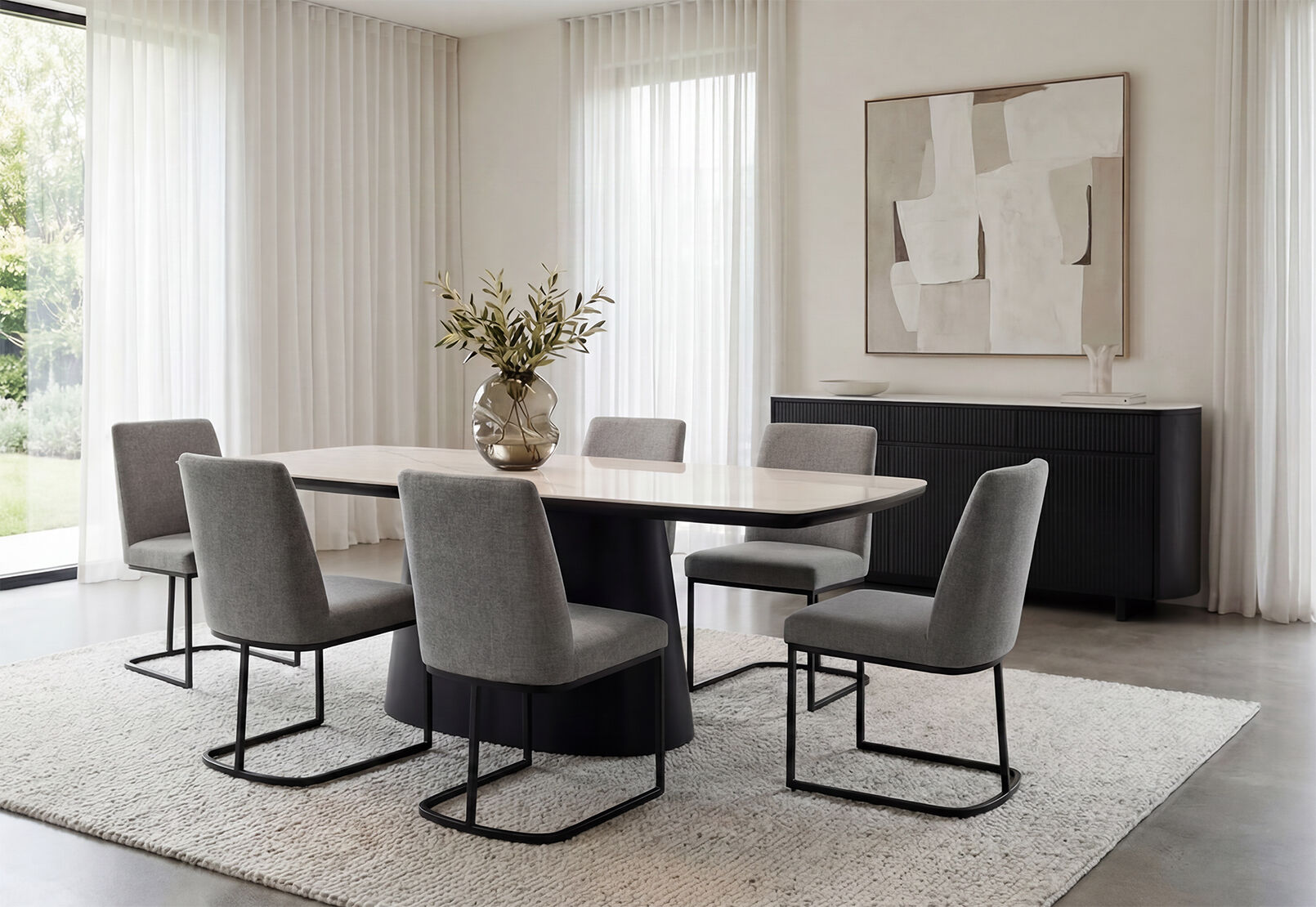
Get these decisions wrong and the cost compounds. The dining table and chairs appear at most daily meals and at every gathering the household hosts. Replacing them within a few years because the proportions were wrong costs considerably more in time and money than choosing well to begin with.
More than 28,000 Trustpilot reviews at 4.5 stars reflect what buyers who chose well the first time have come to say about Amart. A Brisbane-born retailer with 56 years of trading, it carries more than 2,000 products and offers free pickup at over 120 stores. Most dining rooms have a match within that range.






