
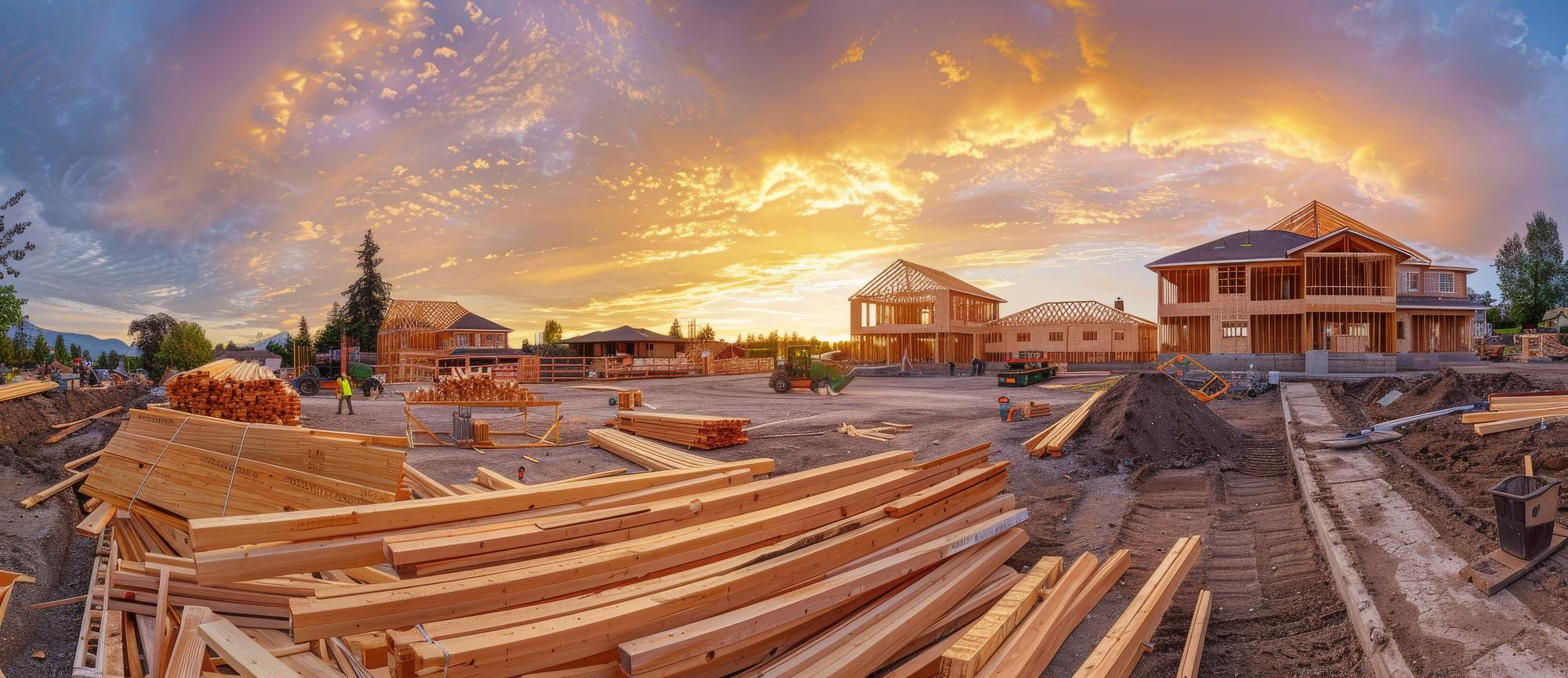
Traditionally, the Queensland property market was dominated by the philosophy of property buying, holding, and renovation. Yet, in recent years, more and more property investors have started to think outside the box and question what the site they purchased was worth, rather than limiting themselves to existing structures.
As a result, knocking down the buildings and erecting new ones has become a much more popular activity among Queensland property investors, especially those located in South East Queensland. Below, we consider why that's happening.
What Is a Knockdown Rebuild Project?
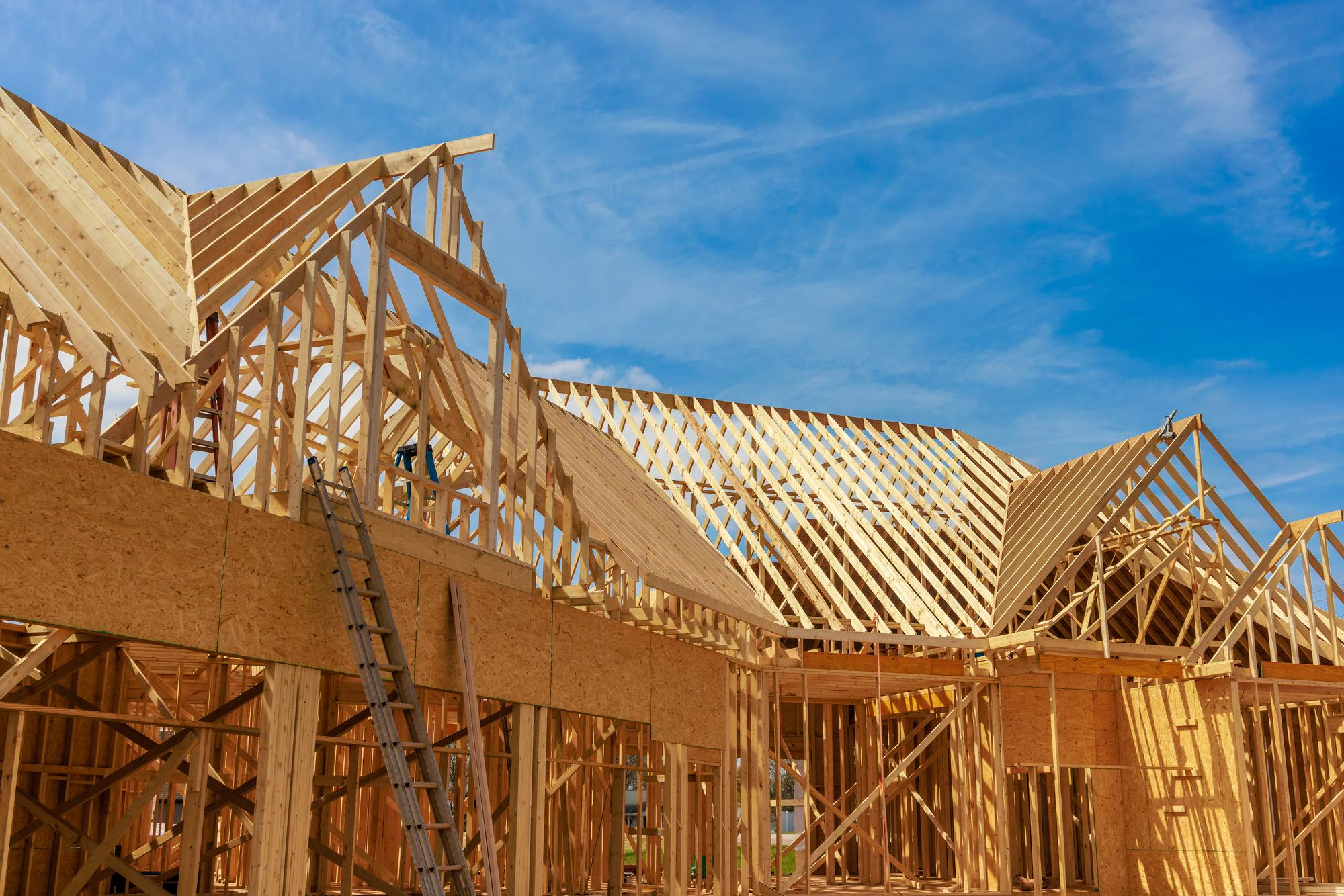
As you can guess from the name, a knockdown rebuild project implies buying a property with an existing building, tearing it down, and erecting another building in its place. Unlike the buy-and-hold strategy, a knockdown rebuild requires more effort from the side of investors and entails both demolition and construction costs.
Whether or not such a project is worth considering depends on whether it is financially justified. Namely, the cost difference between what investors paid for the site and what a modern building erected on that site could earn them should exceed demolition and construction costs for this approach to pay off.
What Does a Knockdown Rebuild Depend On
Essentially, what a knockdown rebuild project reflects is a change in how investors perceive property market value.

Note: Traditionally, when investors spoke of land value, they meant the total cost of the site and the dwelling located on that site. However, the contemporary market is increasingly about dividing these two components into two separate entities.
That is important because, in many well-located Queensland suburbs, existing dwellings don't bring any additional value. Instead, they are outdated, poorly maintained, and, sometimes, even unfit for purpose due to being too small or improperly designed or lacking modern features such as durable exterior cladding. In such circumstances, demolishing a property and erecting a new one makes sense.
Why Established Suburbs Attract More Rebuild Projects?
Apart from the age-related issues, other advantages of established suburban areas explain why knockdown rebuild projects are becoming more common. Specifically, unlike newer developments, existing suburbs usually offer good amenities, which results in better demand from both renters and homebuyers.
Moreover, in Brisbane and other Queensland cities, a variety of suburban developments have recently allowed for residential densification, which makes the economic situation even more favourable for knocking down and erecting anew.
Overall, knockdown and rebuild projects attract attention thanks to the benefits associated with investing in established suburbs.
Why Building New Properties Makes Economic Sense?
Another factor behind the increasing interest in knockdown rebuild projects is related to the state of Queensland's housing stock. Many existing properties require substantial renovation, which often results in high expenses related to bringing them up to an acceptable level.
When renovation costs outweigh potential returns, a knockdown rebuild in Queensland can, in some cases, offer a more effective way to improve both capital growth prospects and rental appeal by replacing an outdated structure with a modern dwelling that better aligns with current market expectations.
- Also read:How to Find Top New Apartment Developments in Melbourne

- Also read:The Impact of Visa Regulations on Property Market Trends in Australia

- Also read:5 Best Real Estate Photo Editing Services of 2024

- Also read:Steel Advantage: The 6 Benefits of Steel Buildings

- Also read:Renovating to Rent? Don’t Skimp on the Skip Bin

What Market Conditions Enable Knockdown Rebuild Projects?
As mentioned above, knockdown and rebuild investments become more widespread due to certain market conditions. Below, let us discuss some factors that currently influence the Queensland property market and contribute to the increasing popularity of knockdown and rebuild.
Firstly, the Queensland population continues to grow steadily, which creates high demand for property in this state. Moreover, the number of well-located properties in Brisbane and other major metropolitan centres is low, which further increases their attractiveness.
Secondly, due to relatively low vacancy rates in Brisbane and other Queensland metropolitan centres, knockdown rebuild projects can be economically profitable.
Note: The demand for good-quality rental properties is high in Australia's major cities, and the costs related to managing newly-built houses are usually predictable.
Finally, despite rising construction costs, the prices seem to stabilise. Thus, those investors who postponed their decisions until this process becomes clearer now may proceed confidently.
How Knockdown Rebuild Projects Compare To Alternative Investments
Now, let us consider how knockdown rebuild projects compare to alternative property investments in Queensland. Below are some strategies and options for comparison.
Buying and Holding in Growth Corridors
While the buying and holding strategy seems to be quite profitable for the present, it does require considerable patience from the investors and is strongly dependent on entry prices. Moreover, in Queensland suburbs, value-adding through renovation becomes increasingly challenging owing to the compression of yield, which forces investors to rely on strong capital growth assumptions.
Note: However, the yield compression is expected to decrease in the near future, which means that such investments will become more attractive again.
Renovations of Existing Properties
Renovation strategy is a great alternative to building and buying. However, due to the aging condition of buildings, renovations of existing properties in Queensland often turn out to be much more expensive than expected. That's why this approach is less profitable for investors than it looks in theory.
Off-the-Plan Apartments
Apartments are cheaper than houses. Nonetheless, as history shows, apartments often lose in terms of capital growth when compared to house-and-land packages. Also, apart from higher initial prices, off-the-plan apartments face risks related to oversupply and increased body corporate costs.

What Does Increasing Interest in Knockdown Rebuild Projects Show?
Ultimately, increasing interest in knockdown rebuild projects reflects changes in Queensland property market dynamics. While before investors primarily bought undeveloped land and built new houses on it, now their priorities have shifted towards more intensive use of existing sites in established neighbourhoods.
That tendency resembles what we observe in Sydney and Melbourne property markets, where many suburbs experienced substantial redevelopment during the last two decades. Hence, Queensland also seems to be moving along the same path. Of course, much will depend on economic conditions, but, basically, the trends that are driving knockdown rebuild projects are structural rather than cyclical.
In conclusion, knockdown rebuild projects are increasingly popular among Queensland property investors since, in many suburbs, the value of the land substantially exceeds the value of existing buildings on that land. Building new structures helps investors unlock the potential of existing sites in Queensland metropolitan centres.