

Have you ever looked at a messy spreadsheet and felt like you were trying to read tea leaves in a storm? It is 2026, and the era of "gut feeling" management has officially vanished from the Australian landscape. Today, data analytics is the central nervous system of every thriving company, from the high rises of Sydney to the mining hubs of Perth. If you aren't using information to carve out a competitive advantage,e you are essentially flying a plane with the windows painted black.
Businesses that prioritise their data and analytics strategies this year are reportedly 23% more profitable than those relying on intuition. This isn't just about collecting numbers. It is about how we analyse data to find the story hidden beneath the surface. For many local firms, the journey starts by partnering with professional data analytics services to turn overwhelming raw data into a clear roadmap for business growth.

1. Agentic AI and Autonomous Task Execution
The biggest shift we see in 2026 involves Agentic AI. Unlike older systems that just answered questions, these autonomous agents independently plan and execute the organisation's data management tasks without constant human oversight. Imagine a system that notices a drop in data quality and automatically triggers a cleanup script before a human even grabs their morning coffee.
These agents navigate complex data ecosystems to ensure that your enterprise data remains accurate. They don't just show you a chart; they act on the valuable insights they find.

Tip: This level of automation is reducing the chance of human-created errors and accelerating the entire decision-making cycle.
2. The Rise of the Data Mesh Architecture
For a long time, Australian companies struggled with data silos where the marketing team couldn't talk to the finance department. In 2026, the data mesh has become the standard solution. This approach treats data as a product owned by specific departments rather than a giant pile managed by a single IT team.
By decentralising data access, business units take direct responsibility for their own high-quality data. This fosters a culture of accountability. When the people closest to the information manage it the data maturity of the whole company rises. It makes sharing data across the organisation smoother and ensures everyone works from a single source of truth.
3. Augmented Analytics and Natural Language Processing
Remember when you needed to know SQL just to find out last month's sales? Those days are gone. By 2026, nearly 40% of analytics queries in Australia will be initiated via natural language processing. Managers now simply ask their analytics tools a question: "Why did our Melbourne logistics costs spike in June?"
Augmented analytics uses machine learning to automate the preparation of large datasets. It spots trends and correlations that a human might miss. This self-service capability allows non-technical staff to derive insights without waiting for a specialist. It truly democratizes data and analytics services across the entire workforce.
4. Predictive and Prescriptive Modelling in Manufacturing
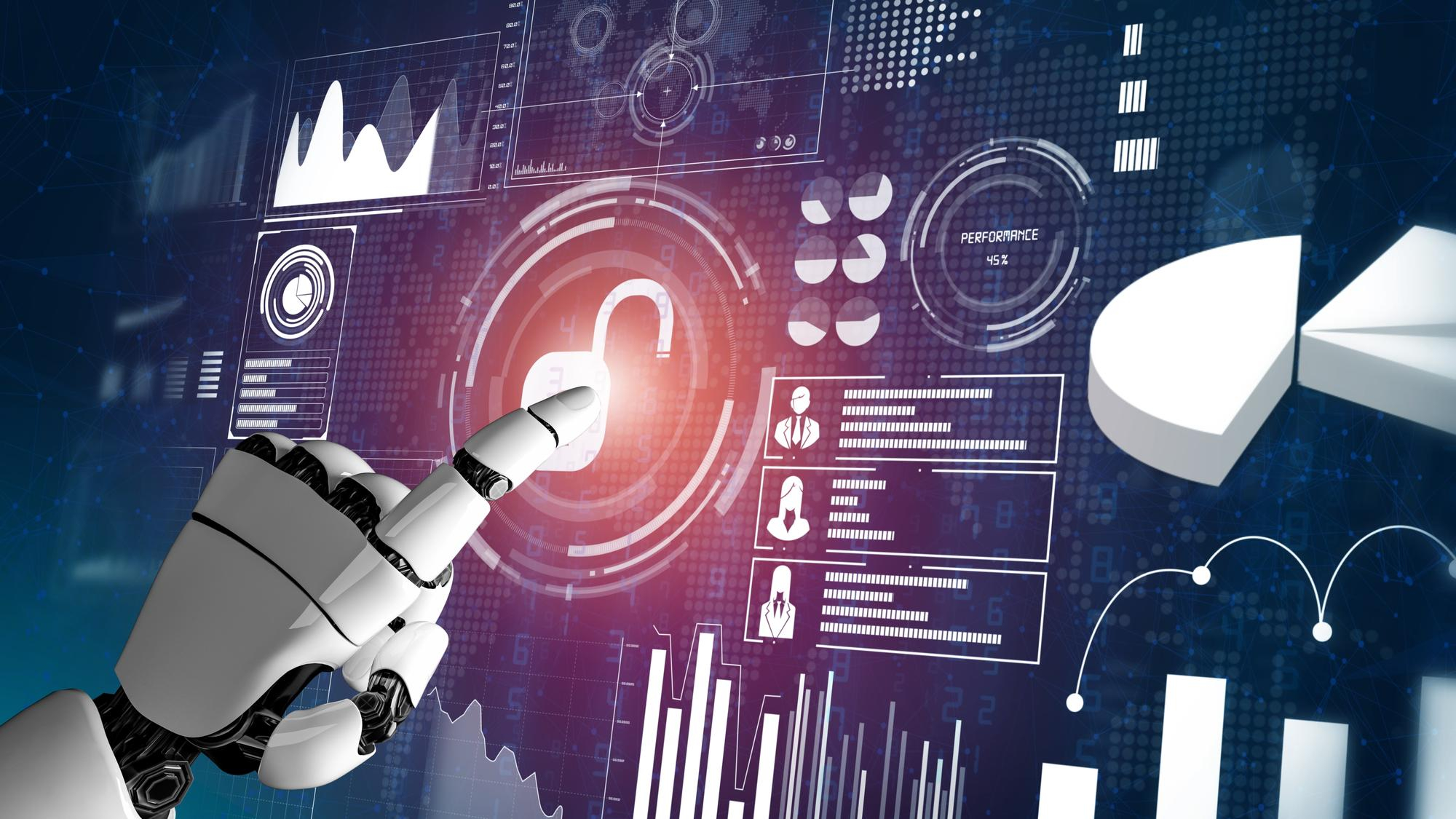
Australia’s industrial sector has embraced advanced analytics to optimise operations. We are moving beyond descriptive analytics, which only tells us what happened. Today, predictive analytics uses historical patterns to forecast when a machine will fail.
Even more powerful is prescriptive analytics. This technology combines artificial intelligence and big data to suggest the exact action a manager should take. In manufacturing, predictive modelling and maintenance are now reducing downtime by up to 40%. It is the difference between fixing a broken gear and preventing the break from ever happening.
5. Ethical Data Governance and Compliance
With the Australian government tightening privacy laws, data governance is no longer a "nice to have" feature. Robust governance frameworks are essential to manage risk and ensure compliance with legal requirements.
A data-driven organisation must protect sensitive data while still making it useful. This involves implementing strict data security protocols and ensuring that all data flows are transparent. By 2026, trusted data is the only currency that matters.

Note: If your customers don't trust how you handle their info, they will take their business elsewhere.
6. Real-Time Edge Analytics
In 2026, waiting for a batch report at the end of the week feels like using a sundial. Data and analytics now happen at the "edge", meaning the analysis occurs right where the information is generated.
- Also read:How to Find Top New Apartment Developments in Melbourne

- Also read:The Impact of Visa Regulations on Property Market Trends in Australia

- Also read:5 Best Real Estate Photo Editing Services of 2024

- Also read:Steel Advantage: The 6 Benefits of Steel Buildings

- Also read:Renovating to Rent? Don’t Skimp on the Skip Bin

For an Australian transport fleet, this means sensors on trucks analyse data in real time to reroute drivers around bushfires or traffic jams. This operational efficiency saves millions in fuel and time. It provides a strategic advantage that static data sets simply cannot match.
7. Hyper-Personalisation in E-commerce
If you’ve noticed your online shopping feels eerily accurate lately, that is data-driven marketing at work. By using predictive analytics and machine learning, retailers can boost conversions by up to 130%.
Data scientists now build statistical models that understand individual behaviour patterns across diverse sources. This isn't just about seeing what you bought. It is about understanding the "why" behind the click. These analytics services help brands move from mass marketing to a "segment of one" approach.
8. Modern Data Integration and Migration
Many Aussie firms are currently undergoing data migration to move away from clunky legacy systems. The goal is seamless integration between multiple applications.
Data engineering teams are working to ensure that as information moves from one cloud platform to another, the data quality remains intact. High-quality analytics solutions depend on this foundation.
Note: You cannot make smarter decisions if your raw data is corrupted during the move.
9. Cognitive Analytics and Human-Like Intelligence
We are entering the era of cognitive analytics. This branch of advanced analytics applies human-like intelligence to data mining tasks. The system learns from every decision-making outcome and improves its reasoning over time.
This helps solve complex business problems that aren't black and white. For example, in risk management, a cognitive system can evaluate thousands of variables to suggest if a new investment is safe. It brings a level of nuance to business performance tracking that traditional analytics services lacked.

10. Building a Future-Proof Data Strategy
The final trend is the shift toward a future-ready data mindset. Australian leaders are no longer looking at data analytics projects as one-off tasks. Instead, they are developing a comprehensive data strategy that aligns with their long-term business goals.
This involves continuous improvement and a focus on data maturity. A future-proof company treats its data assets like gold. They invest in data and analytics services that can scale as their large datasets grow.
Conclusion: Your Path to Smarter Decisions
The landscape of data and analytics in Australia is constantly evolving. In 2026, the ability to visualise data and turn it into actionable insights is the primary driver of business value.
Tip: Whether you are leveraging data mining to find new leads or using prescriptive analytics to fix your supply chain, the goal is the same: making informed decisions.
Success requires more than just buying the latest analytics tools. It requires a data-driven culture where every team member understands the power of trusted data. By modernising your organisation's data management and focusing on high-quality data, you ensure that your company isn't just surviving but leading.