Self-storage is a simple idea with complex execution. The operators who win combine local knowledge, smart design, and disciplined operations. They keep units full, reduce friction for customers, and move faster than competitors when the market shifts.

Note: This article breaks down practical ways to build an edge. You can apply these moves whether you’re opening a new site or sharpening a mature portfolio.
Keep it simple, measure often, and adjust quickly.
Know Your Local Demand
Every market has its own rhythm. Population growth, housing turnover, and small business activity shape demand more than national averages. Study these cues at the suburb level, not just the city.

Tip: Run simple surveys with renters and local agents. Your goal isn't just more units - it's to invest in storage where value grows with visibility, access, and safety. Use those insights to shape unit mix, access hours, and price tiers.
Match inventory to real needs. Near apartments and townhomes, smaller lockers move fastest. In trade-heavy corridors, drive-up units and wider aisles cut dwell time and boost loyalty.
Differentiate With Smart Design
Curb appeal sets the tone before a tenant clicks Book Now. Clean lines, clear signage, and lighting that feels safe are table stakes. Make wayfinding obvious so customers never wonder where to go.
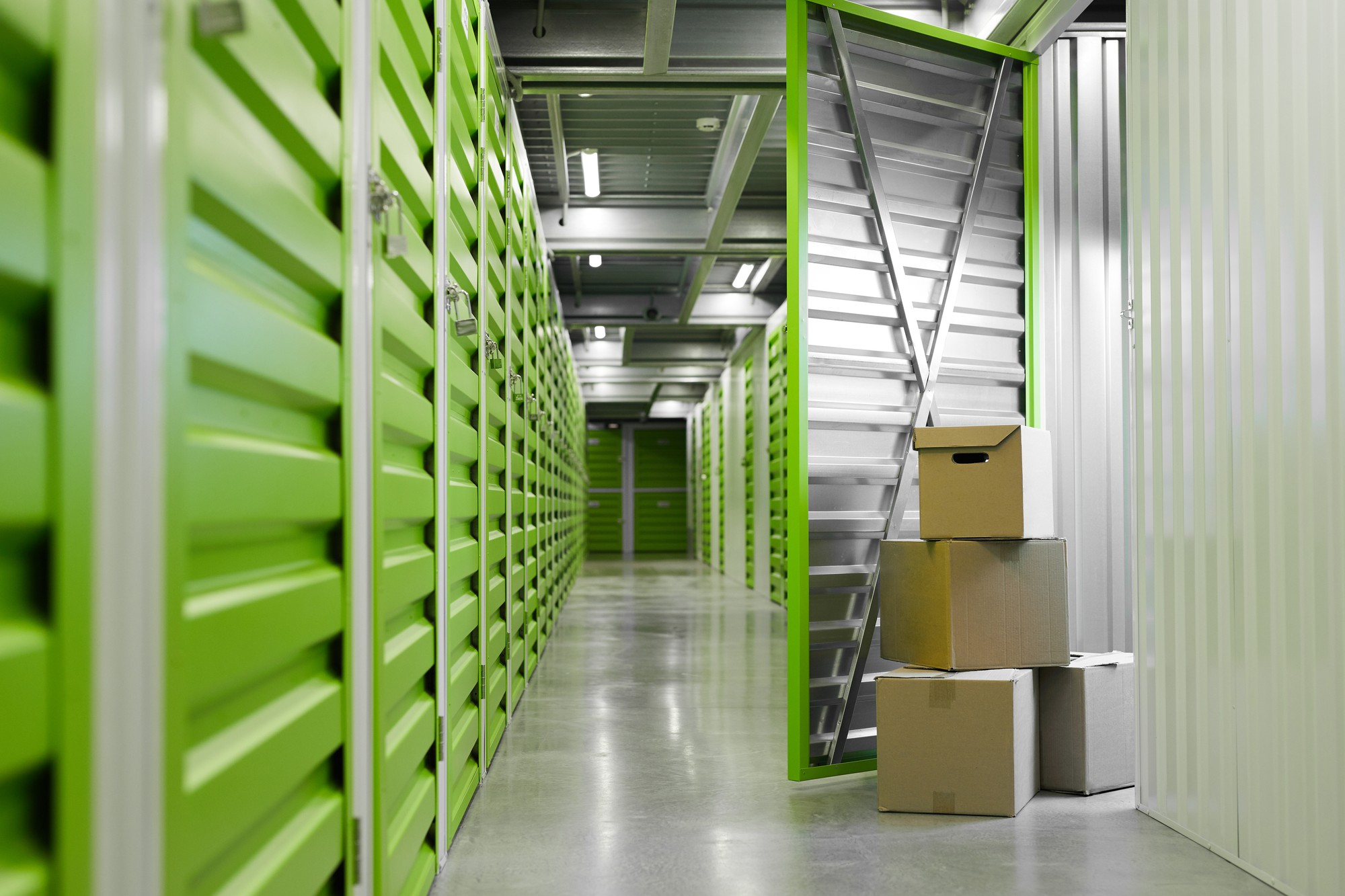
Design for speed. Wide drive lanes, smart gate flow, and logical lift placement reduce frustration. Small details - door pull strength, cart availability, and clear floor markings - turn first impressions into repeat business.
Build flexibility into the box. Modular partitions and convertible units let you adapt during lease-up and seasonal swings. A layout that can split a 20 into two 10s protects rate integrity when demand shifts.

- Also read:How to Find Top New Apartment Developments in Melbourne

- Also read:The Impact of Visa Regulations on Property Market Trends in Australia

- Also read:5 Best Real Estate Photo Editing Services of 2024

- Also read:Steel Advantage: The 6 Benefits of Steel Buildings

- Also read:Renovating to Rent? Don’t Skimp on the Skip Bin

Win With Digital Convenience
Tip: Customers expect instant answers and easy checkout. A fast website, real-time inventory, and transparent pricing reduce calls and abandoned carts. Keep the steps short and the copy plain.
Offer end-to-end online service. Reservations, ID verification, e-sign, and autopay should take minutes - not days of back-and-forth. Follow with automated move-in guides and access instructions that are clear and friendly.
Use digital to remove friction on the site. Keypads, mobile gate access, and QR codes for support cut queues and staff load. Tenants value control - let them manage unit changes, insurance, and payments from their phone.
Operate Lean And Data-Driven
Tip: Treat pricing as a living system. Track move-ins, move-outs, and inquiries by unit type daily. Adjust rates in small steps so occupancy and revenue move together.
Set simple service standards and enforce them. Response times, cleaning checklists, and lock checks should be measured, not assumed. Small misses add up - tight routines prevent bigger problems.
Consider these quick wins:
- Post daily photos of high-traffic areas to a shared log to catch issues early.
- Review rate ladders weekly for the top 5 unit types.
- Send a 7-day and 30-day satisfaction ping after move-in.
- Run a monthly audit of access logs to spot unusual patterns.
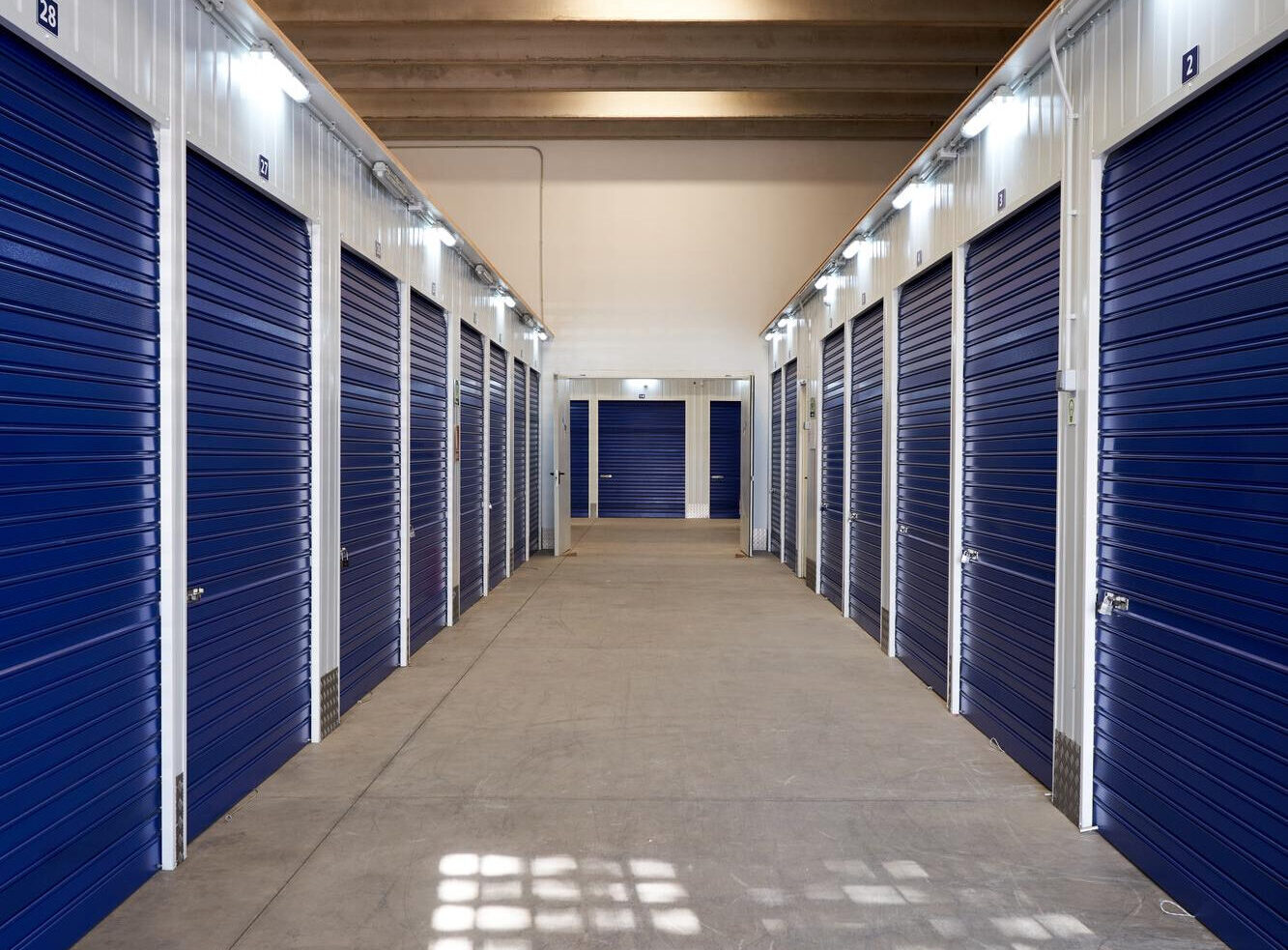
Building a competitive edge isn’t about one big bet. It’s a stack of small, durable advantages that compound. Pick a few moves, execute well, and review the numbers weekly.
Markets change, but the basics hold. Know your demand, design for speed, make digital effortless, and run tight operations. Do that consistently, and your sites will stand out for the right reasons.