
Key takeaways
Unemployment is rising: Australia's unemployment rate jumped to 4.9% in October, its highest level since the COVID lockdowns in 2021.
The RBA may have gone too far: Five interest rate increases this year have pushed the cash rate to 4.85%, raising concerns about excessive tightening.
More economic pain may be coming: Interest rate increases take time to affect the economy, meaning their full impact is yet to be felt.
Another rate hike looks unlikely: Rising unemployment has strengthened the case for the RBA to hold interest rates in December.
Property markets remain under pressure: Higher borrowing costs, reduced borrowing capacity and weaker buyer confidence are contributing to falling property prices.
The downturn will create opportunities: Financially secure investors may find opportunities to purchase quality properties as market conditions weaken.
Long-term fundamentals remain strong: Australia's housing shortage, population growth and demand for well-located properties will continue to support property markets over time.
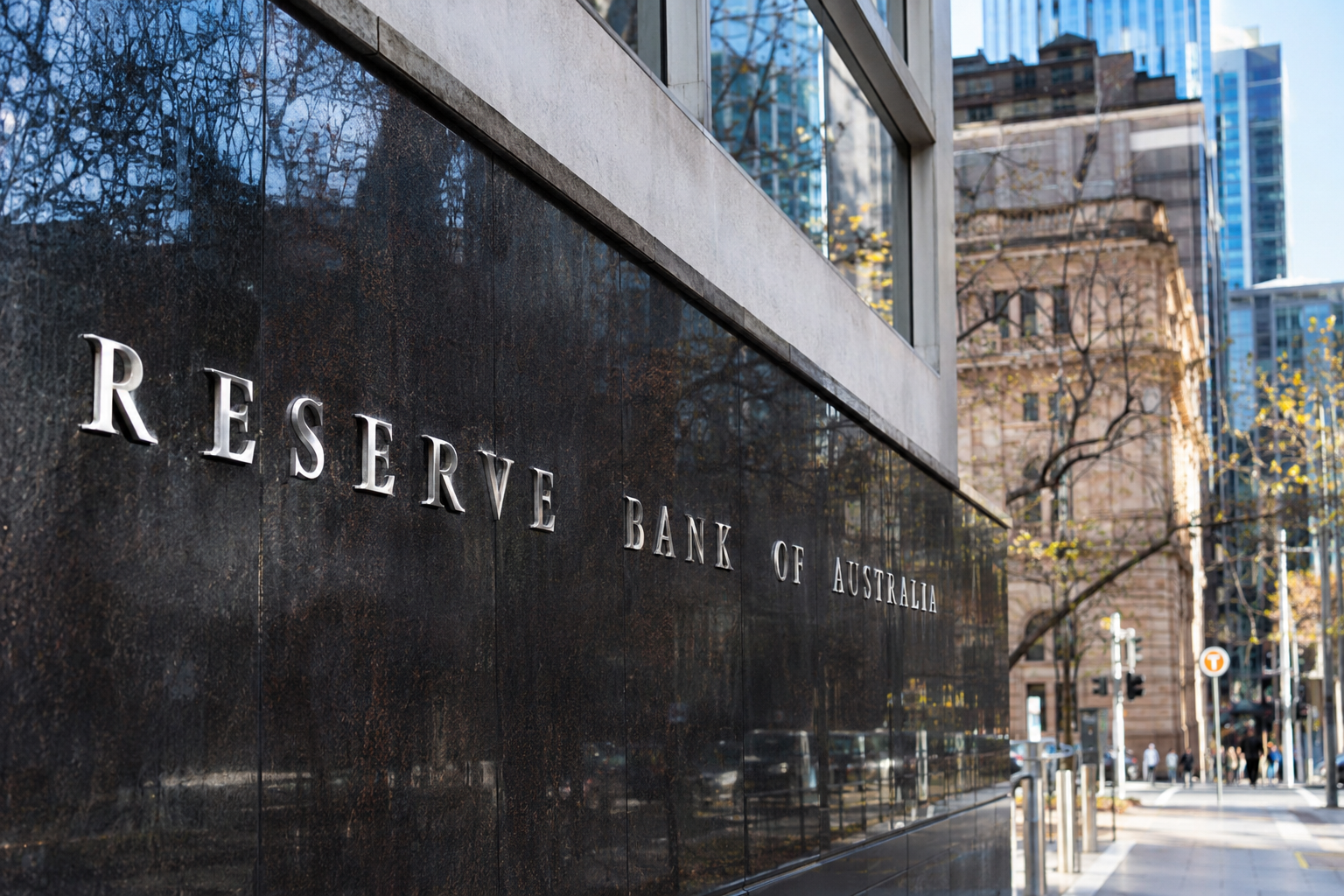
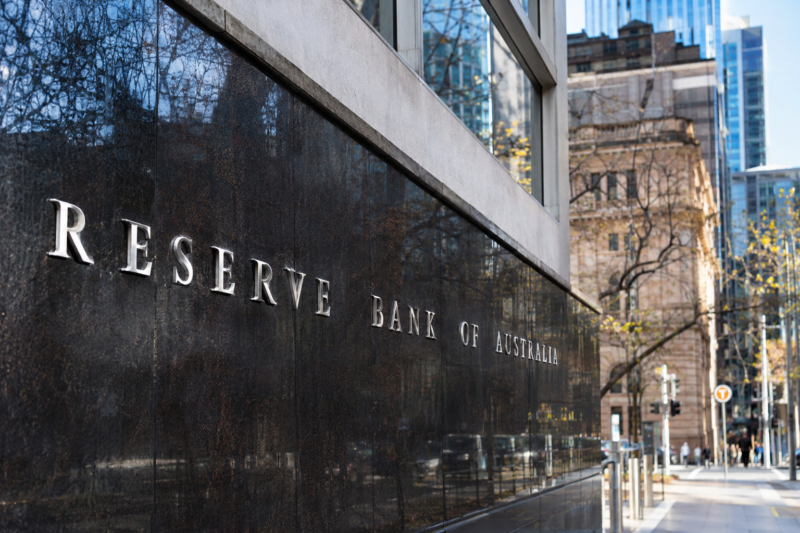
For much of this year, the Reserve Bank has been fighting stubborn inflation by pushing interest rates higher, hoping to slow spending and take some heat out of the economy.
But there's growing concern that, in its determination to bring inflation under control, the RBA may have pushed too hard, with the latest unemployment figures suggesting the economy is beginning to feel the consequences.
Australia's unemployment rate jumped to 4.9% in October, up from 4.7% in September, reaching its highest level since the COVID lockdowns in 2021.
That's a significant deterioration, particularly considering the RBA has increased interest rates five times this year, taking the cash rate to 4.85%, its highest level since 2008.
And while the Reserve Bank has been prepared to tolerate some increase in unemployment to contain inflation, the labour market now appears to be weakening faster than policymakers anticipated.
Have interest rates gone too far?
According to a recent realestate.com.au report, several leading economists are questioning whether November's interest rate increase was necessary.
Ray White chief economist Nerida Conisbee suggested the latest unemployment figures made further increases considerably less likely, describing November's decision as potentially "one too many".
Dr Andrew Wilson, chief economist at My Housing Market, shared those concerns, arguing that the RBA should have been more patient.
"The RBA should have held back (on the November hike)," Dr Wilson said, warning of the risks to an already slowing economy.
I think there's considerable merit in that argument.
Monetary policy operates with a lag, meaning the full impact of this year's five interest rate increases has yet to flow through household budgets, business investment and employment decisions.
The October employment figures predate November's increase, so that decision can't be blamed for the latest unemployment spike.
However, the deterioration highlights the risks of continuing to raise borrowing costs while the economy is already slowing.
The RBA faces a difficult balancing act
The Reserve Bank has two important responsibilities: maintaining price stability and supporting full employment, and those objectives are becoming increasingly difficult to balance.
Inflation remains uncomfortably high, with headline inflation running at 3.9% over the year to the September quarter and underlying inflation still above the RBA's target range.
However, rising unemployment creates another problem because people who lose their jobs reduce spending, while those worried about job security become more cautious about major financial commitments.
That weakness eventually flows through to retailers, businesses, construction activity and the property market.





Canstar insights director Sally Tindall believes the latest employment figures have effectively ruled out another rate increase in December, although she cautions against expecting immediate cuts.
And that's an important distinction because, while the case for further tightening has weakened, the RBA still needs convincing evidence that inflation is moving sustainably towards its target before reducing rates.
What this means for Australia's property markets?
Australian property markets are already feeling the effects of higher interest rates, with national housing values falling by almost 7% from their recent peak, according to the realestate.com.au report.
Higher mortgage repayments have reduced household spending power, borrowing capacity has deteriorated, and buyers are increasingly cautious about taking on additional debt.
Rising unemployment adds another layer of uncertainty because job security strongly influences people's willingness and ability to purchase property.
However, I believe it's important to keep this downturn in perspective.
Over the past five decades, I've seen numerous periods of rising interest rates, weakening confidence and falling property prices, and history shows these conditions eventually change as economic circumstances improve.
Of course, the recovery won't be uniform, and properties with strong underlying fundamentals will continue to outperform those in locations with weaker demand or excessive supply.
In fact, periods of market weakness often create opportunities for financially secure investors who understand the importance of buying quality assets rather than trying to pick the exact bottom.
What happens next?
The latest unemployment figures have strengthened the argument for the RBA to leave interest rates unchanged in December and allow the economy time to absorb the tightening already delivered.
There's also a risk that unemployment could continue rising through 2027 if businesses respond to weaker demand by reducing recruitment or cutting staff.
However, I wouldn't assume Australia is inevitably heading into recession, nor would I interpret current property market weakness as evidence of a prolonged collapse.
The RBA still has room to respond if economic conditions deteriorate sharply, while Australia's underlying housing shortage, population growth and long-term demand for well-located accommodation haven't disappeared.
My expectation is that the coming months will remain challenging for some households and businesses, but they may also mark an important turning point in the interest rate cycle.
In the past, consumer confidence and buyer and seller confidence returned when the market felt that interest rate hikes had reached their peak, and that's the point of the cycle I believe we're at at present.
And for property investors, the lesson remains much the same as it has throughout my years of investing: successful wealth creation comes from understanding where we are in the cycle, maintaining appropriate financial buffers and making sensible long-term decisions.
The investors who emerge strongest from this downturn will be those who remain financially resilient, recognise opportunities as they develop and remember that property markets move in cycles, while quality assets continue to reward patient investors over time.